

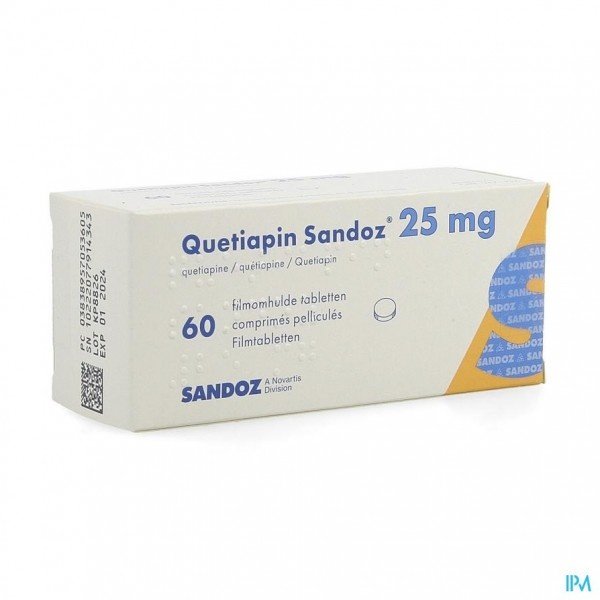
Quetiapine Sandoz 25 mg: Educational Guide to Uses, Effects, and Safety in Europe
Quetiapine Sandoz 25 mg is a low-dose formulation of quetiapine, an atypical antipsychotic medication used in the treatment of several psychiatric and mood disorders. It is commonly prescribed for conditions such as schizophrenia, bipolar disorder, and, in some cases, as an adjunct therapy for major depressive disorder. In the European Union, quetiapine is a strictly prescription-only medicine regulated under national and EU pharmaceutical laws. Quetiapine
It is widely used in psychiatric care due to its broad therapeutic profile and sedative properties at lower doses.
What Is Quetiapine Sandoz 25 mg?
Quetiapine is an atypical antipsychotic that affects neurotransmitters in the brain, primarily dopamine and serotonin.
The 25 mg dose is often used for:
- Initial dose titration in psychiatric treatment
- Sedation support in certain clinical cases
- Adjunct therapy for mood disorders
- Short-term symptom management under supervision
Sandoz is a pharmaceutical manufacturer known for producing generic versions of established medicines.
How Quetiapine Works in the Brain
Quetiapine works by interacting with multiple neurotransmitter receptors, helping to regulate mood, perception, and behavior.
Its main mechanisms include:
- Dopamine D2 receptor antagonism (reduces psychotic symptoms)
- Serotonin 5-HT2A receptor blockade (mood stabilization)
- Histamine receptor inhibition (sedative effects)
- Alpha-adrenergic receptor modulation (blood pressure and anxiety effects)
This multi-receptor action contributes to its effectiveness in psychiatric conditions.
Medical Uses of Quetiapine
Quetiapine is prescribed for several clinically approved conditions, including:
- Schizophrenia
- Bipolar disorder (mania and depressive episodes)
- Major depressive disorder (as adjunct therapy)
- Generalized mood stabilization (under specialist care)
- Insomnia-related symptoms in specific clinical contexts (off-label use in some regions)
Treatment is always individualized based on patient diagnosis and response.
Why the 25 mg Dose Is Important
The 25 mg strength is considered a low dose and is often used during early stages of treatment.
It is commonly prescribed to:
- Start therapy gradually and reduce side effects
- Assess patient tolerance
- Provide mild sedative effects
- Support sleep in controlled psychiatric settings
- Assist in dose escalation planning
Higher doses are typically required for full antipsychotic effects.
Effects on the Body and Mind
At therapeutic doses, quetiapine may produce:
- Reduced hallucinations or delusions (in psychotic disorders)
- Stabilized mood in bipolar disorder
- Reduced anxiety symptoms in some patients
- Sedation and improved sleep onset
- Calming effect on agitation
The effects depend on dose and medical condition being treated.
Common Side Effects
Quetiapine may cause side effects, especially during early treatment.
Frequently reported effects include:
- Drowsiness or sedation
- Dizziness
- Dry mouth
- Weight gain
- Increased appetite
- Low blood pressure (orthostatic hypotension)
These effects are often dose-dependent.
Serious Risks and Safety Concerns
More serious risks may include:
- Metabolic changes (blood sugar and cholesterol increases)
- Significant weight gain over time
- Cardiovascular effects (especially in vulnerable patients)
- Extrapyramidal symptoms (rare at low doses)
- QT interval prolongation (heart rhythm effects in susceptible individuals)
Regular monitoring is important during long-term use.
Metabolic Effects
One of the most important long-term considerations is metabolic impact.
Quetiapine may contribute to:
- Increased body weight
- Elevated blood glucose levels
- Changes in lipid profile
- Increased risk of metabolic syndrome
Lifestyle and dietary management are often recommended alongside treatment.
Mental Health Considerations
Quetiapine plays an important role in stabilizing serious psychiatric conditions, but it must be carefully managed.
It may help:
- Reduce psychotic episodes
- Stabilize mood fluctuations
- Improve sleep patterns in clinical settings
- Reduce agitation and anxiety symptoms
However, it should always be used under psychiatric supervision.
Legal Status in Europe
In the European Union, quetiapine is:
- A prescription-only medication
- Regulated under national pharmaceutical laws
- Dispensed only through licensed pharmacies
- Prescribed by qualified healthcare professionals
It is widely available in hospital and outpatient psychiatric care systems.
Drug Interactions
Quetiapine may interact with:
- Alcohol and CNS depressants (increased sedation)
- Antihypertensive medications
- Antidepressants and other psychiatric drugs
- CYP3A4 enzyme inhibitors (affecting metabolism)
Medical supervision helps prevent adverse interactions.
Who Should Use Caution?
Quetiapine may not be suitable or requires caution in individuals with:
- Cardiovascular disease
- Diabetes or metabolic disorders
- Liver impairment
- Elderly patients sensitive to sedation
- History of seizures
A full medical evaluation is required before use.
Monitoring During Treatment
Patients taking quetiapine are typically monitored through:
- Weight and BMI tracking
- Blood glucose testing
- Lipid profile monitoring
- Blood pressure checks
- Mental health assessments
This ensures safe long-term therapy.
Lifestyle Support During Treatment
Patients may be advised to:
- Maintain a balanced diet
- Engage in regular physical activity
- Avoid alcohol misuse
- Follow consistent sleep routines
- Attend regular psychiatric follow-ups
These measures help improve treatment outcomes.
Role in Psychiatric Care
Quetiapine is an important part of modern psychiatric treatment strategies, often used alongside:
- Mood stabilizers
- Antidepressants
- Psychotherapy
- Long-term care plans
- Crisis intervention support
Its flexibility makes it widely used in clinical practice.
Conclusion
Quetiapine Sandoz 25 mg is a low-dose atypical antipsychotic used in the treatment of schizophrenia, bipolar disorder, and related mood conditions. It works by modulating dopamine and serotonin activity in the brain, helping stabilize mood and reduce psychotic symptoms. In Europe, it is strictly regulated and available only by prescription. Understanding its mechanism, therapeutic uses, and safety profile is essential for responsible awareness of psychiatric medication and mental health treatment.




Beoordelingen
Er zijn nog geen beoordelingen.