

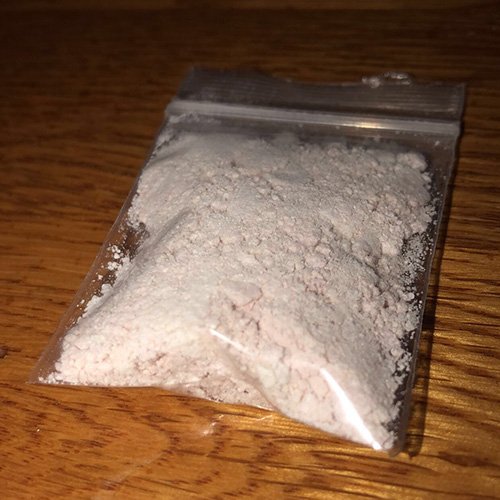
2C-B Powder: Educational Guide to Effects, Risks, and Legal Status in Europe
2C-B powder is a synthetic psychoactive substance belonging to the phenethylamine family, first synthesized in the 1970s. It is known for producing psychedelic and stimulant-like effects, depending on dose and individual sensitivity. In most European countries, 2C-B is classified as an illegal controlled substance, with strict penalties for possession, distribution, or production. Phenethylamines
Because of its legal status and health risks, 2C-B is primarily discussed in forensic science, pharmacology, and drug policy research rather than medical practice.
What Is 2C-B?
2C-B (4-bromo-2,5-dimethoxyphenethylamine) is a synthetic compound that alters perception, mood, and cognition. It was originally synthesized for research purposes and later appeared in recreational drug markets.
Key characteristics include:
- Synthetic psychedelic compound
- Belongs to the 2C family of phenethylamines
- Psychoactive at low milligram doses
- No approved medical use
- Controlled substance in most countries
Its effects vary widely depending on dose, environment, and individual physiology.
How 2C-B Affects the Brain
2C-B primarily interacts with serotonin receptors, especially the 5-HT2A receptor, which is also involved in other psychedelic substances.
Its main effects include:
- Altered sensory perception
- Changes in mood and emotional processing
- Visual distortions at higher doses
- Increased sensory sensitivity
- Changes in thought patterns
It affects serotonin signaling pathways in the central nervous system.
Subjective Effects Reported in Studies and Reports
Although experiences vary, reported effects include:
- Enhanced colors and visual patterns
- Emotional amplification
- Increased sociability in some users
- Distorted sense of time
- Heightened sensory awareness
- Euphoria or emotional sensitivity
However, adverse psychological reactions are also common in uncontrolled settings.
Potential Side Effects
2C-B may cause a range of physical and psychological side effects.
Frequently reported effects include:
- Nausea
- Increased heart rate
- Anxiety or panic
- Headache
- Sweating
- Dizziness
The intensity of side effects often depends on dose and individual sensitivity.
Risks and Safety Concerns
More serious risks associated with 2C-B include:
- Acute psychological distress (panic or paranoia)
- Risk of accidental injury due to altered perception
- Cardiovascular strain (increased heart rate and blood pressure)
- Dehydration or overheating in certain environments
- Unpredictable potency in unregulated samples
Because it is unregulated, purity and dosage accuracy are major concerns.
Mental Health Considerations
2C-B may have unpredictable psychological effects, especially in individuals with pre-existing conditions.
Possible risks include:
- Anxiety episodes
- Panic reactions
- Confusion or disorientation
- Hallucinogen-induced distress
- Worsening of underlying mental health disorders
People with psychiatric conditions are considered at higher risk.
Dependence and Tolerance
Current research suggests:
- Low physical dependence potential
- Possible psychological habituation in some users
- Tolerance development with repeated use
- Cross-tolerance with other psychedelics
However, long-term effects remain insufficiently studied.
Drug Interactions
2C-B may interact with other substances, increasing risks.
Potential interactions include:
- Antidepressants (especially SSRIs affecting serotonin pathways)
- Stimulants (increased cardiovascular strain)
- Alcohol (unpredictable effects)
- Other psychedelics (intensified psychological effects)
Polydrug use significantly increases risk.
Legal Status in Europe
In the European Union, 2C-B is:
- Classified as an illegal controlled substance
- Listed under national narcotics laws in most countries
- Prohibited for production, sale, and possession
- Subject to criminal penalties in many jurisdictions
Legal enforcement varies, but it is widely banned across Europe.
Harm Reduction and Safety Awareness
For educational purposes, harm reduction discussions often emphasize:
- Avoiding unknown or untested substances
- Understanding legal consequences
- Recognizing mental health risks
- Avoiding mixing with other drugs or alcohol
- Seeking medical help in case of adverse reactions
Public health organizations focus on prevention and education.
Why 2C-B Is Not Used in Medicine
2C-B has no approved medical use because:
- Lack of clinical safety data
- High variability in psychological response
- Legal restrictions
- Risk of acute psychological distress
- Availability of safer alternatives in medicine
It remains a research and forensic interest compound only.
Research and Scientific Interest
2C-B is occasionally studied in:
- Neurochemistry research
- Serotonin receptor interaction studies
- Psychedelic science literature
- Drug policy and public health research
However, human clinical research is limited due to legal constraints.
Public Health Perspective
From a public health standpoint, concerns include:
- Unregulated production and distribution
- Unknown dosage strength in illicit markets
- Emergency medical risks from adverse reactions
- Psychological vulnerability in certain users
- Legal and social consequences
Authorities prioritize prevention and education.
Conclusion
2C-B powder is a synthetic psychedelic compound with strong effects on perception and mood, but it is also a widely controlled illegal substance in Europe. While it is sometimes discussed in scientific and cultural contexts, it carries significant legal, psychological, and health risks. Understanding its effects, risks, and legal status is essential for informed awareness and harm prevention.
Beoordelingen
Er zijn nog geen beoordelingen.