

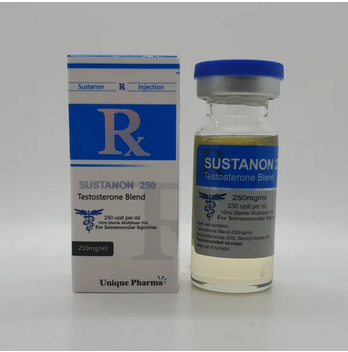
Sustanon 250 mg: Educational Guide to Testosterone Blend Therapy, Effects, and Safety in Europe
Sustanon 250 mg is a well-known injectable testosterone blend used in hormone replacement therapy (HRT) for individuals with clinically diagnosed testosterone deficiency. It contains a mixture of four different testosterone esters designed to provide both rapid and sustained hormone release. In the European Union, testosterone-based medicines are strictly regulated prescription drugs and must be administered under medical supervision. Testosterone mixture (Sustanon)
It is widely used in endocrinology due to its balanced release profile and long clinical history.
What Is Sustanon 250 mg?
Sustanon is a pharmaceutical formulation combining multiple testosterone esters in one injection. Each ester releases testosterone at a different rate, creating both immediate and long-lasting effects.
Typical composition includes:
- Testosterone propionate (fast-acting)
- Testosterone phenylpropionate (medium-fast)
- Testosterone isocaproate (medium)
- Testosterone decanoate (long-acting)
Key characteristics include:
- Oil-based injectable testosterone blend
- Multi-ester release system
- Long duration of hormonal activity
- Prescription-only hormone therapy
- Used in testosterone replacement therapy (TRT)
This combination is designed to maintain stable testosterone levels over time.
How Sustanon Works in the Body
Testosterone is the primary androgen hormone responsible for male sexual development and multiple metabolic functions.
Sustanon works by:
- Releasing testosterone into the bloodstream at different rates
- Binding to androgen receptors throughout the body
- Regulating gene expression related to muscle and metabolism
- Supporting endocrine system balance
The combined esters ensure both rapid onset and sustained hormone levels.
Medical Uses of Sustanon
In clinical medicine, Sustanon is prescribed for:
- Male hypogonadism (low testosterone levels)
- Testosterone replacement therapy (TRT)
- Delayed puberty in males (select cases)
- Endocrine disorders affecting androgen production
- Hormone deficiency confirmed by laboratory testing
It is only used when testosterone deficiency is medically diagnosed.
Why Sustanon Is Widely Used
Sustanon remains popular in medical practice because:
- It provides both short and long-term testosterone release
- Reduces frequency of injections compared to short esters
- Maintains stable hormone levels over time
- Has long-established clinical usage history
- Is widely available in regulated healthcare systems
Its multi-ester design is a key advantage in hormone therapy.
Effects on the Body
When testosterone levels are corrected under medical supervision, effects may include:
- Improved muscle strength and maintenance
- Increased energy levels and reduced fatigue
- Enhanced libido and sexual function
- Improved mood and cognitive performance
- Better bone density and structural health
- Increased red blood cell production
These effects depend on baseline hormone levels and treatment response.
Common Side Effects
Like all hormone therapies, Sustanon may cause side effects.
Frequently reported effects include:
- Acne and oily skin
- Fluid retention
- Mood fluctuations or irritability
- Injection site pain or swelling
- Increased hematocrit levels
- Mild hair thinning in predisposed individuals
Most side effects are manageable under medical supervision.
Serious Risks and Safety Concerns
More serious risks include:
- Cardiovascular strain (blood pressure changes)
- Elevated red blood cell count (polycythemia risk)
- Hormonal imbalance if misused
- Fertility suppression during treatment
- Worsening of sleep apnea in susceptible individuals
These risks require regular monitoring during therapy.
Hormonal Suppression
External testosterone therapy suppresses natural hormone production through feedback inhibition of the hypothalamic-pituitary-gonadal (HPG) axis.
This may lead to:
- Reduced natural testosterone production
- Decreased sperm production
- Temporary infertility
- Testicular size reduction over time
- Dependence on external hormone support in long-term therapy
This is an important consideration in clinical planning.
Sustanon in Europe
In the European Union, Sustanon is:
- A prescription-only controlled hormone
- Regulated under pharmaceutical and medical laws
- Dispensed only through licensed pharmacies
- Used under endocrinologist supervision
It is a standard treatment option for diagnosed testosterone deficiency in many EU countries.
Drug Interactions
Sustanon may interact with:
- Anticoagulants (blood thinners)
- Diabetes medications (insulin sensitivity changes)
- Corticosteroids
- Thyroid medications
- Other hormone-based therapies
Medical supervision helps prevent complications.
Who Should Avoid Testosterone Therapy?
Sustanon may not be suitable for individuals with:
- Prostate or breast cancer (hormone-sensitive conditions)
- Severe cardiovascular disease
- Uncontrolled sleep apnea
- Elevated hematocrit levels
- Fertility preservation needs without medical planning
A full medical assessment is required before treatment.
Monitoring During Therapy
Patients receiving Sustanon therapy are typically monitored through:
- Serum testosterone levels
- Hematocrit and hemoglobin tests
- Liver function panels
- Lipid profile monitoring
- Prostate health evaluations when appropriate
Regular monitoring ensures safe and effective treatment.
Lifestyle Support During Testosterone Therapy
Patients undergoing testosterone replacement therapy are often advised to:
- Engage in resistance training
- Maintain a balanced, protein-rich diet
- Ensure adequate sleep and recovery
- Avoid excessive alcohol and smoking
- Maintain healthy cardiovascular fitness
These habits improve treatment outcomes and overall well-being.
Role in Long-Term Hormone Management
Sustanon may be part of a long-term endocrine treatment plan that includes:
- Ongoing testosterone replacement therapy
- Management of underlying hormonal disorders
- Fertility preservation strategies when needed
- Regular endocrinology follow-ups
- Lifestyle and metabolic optimization
Treatment is always individualized based on patient needs.
Conclusion
Sustanon 250 mg is a multi-ester testosterone formulation used in medically supervised hormone replacement therapy for individuals with clinically diagnosed testosterone deficiency. It provides both rapid and sustained testosterone release but requires careful medical oversight due to its effects on fertility, cardiovascular health, and natural hormone production. In Europe, it is strictly regulated and available only by prescription. Understanding its mechanism, clinical use, and safety considerations is essential for responsible awareness of testosterone therapy and endocrine health.
Beoordelingen
Er zijn nog geen beoordelingen.