

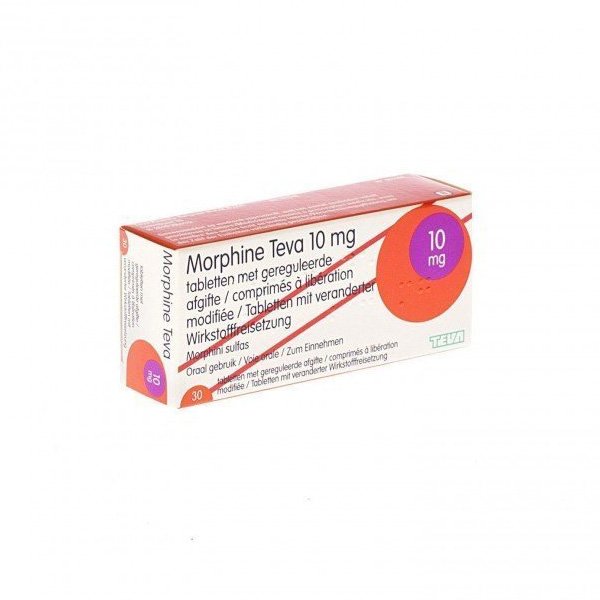
Morphine Teva 10 mg: Educational Guide to Uses, Effects, and Safety in Europe
Morphine Teva 10 mg is a prescription opioid medication used for the management of moderate to severe pain. It contains morphine sulfate, a powerful analgesic that acts on the central nervous system to reduce the perception of pain. In the European Union, morphine is a strictly controlled prescription-only medicine, typically reserved for patients with significant pain requiring opioid-level treatment. Morphine
The “Teva” label refers to a pharmaceutical manufacturer that produces generic versions of morphine under regulated quality standards.
What Is Morphine Teva 10 mg?
Morphine is a naturally derived opioid from the opium poppy plant. It is considered the gold standard for treating severe pain in medical practice.
Key characteristics include:
- Strong opioid analgesic
- Central nervous system depressant
- Oral tablet or injectable formulations
- Prescription-only controlled substance
- Used for acute and chronic severe pain
The 10 mg dosage is often used as a starting or intermediate dose depending on patient needs.
How Morphine Works in the Body
Morphine works by binding to opioid receptors in the brain and spinal cord.
Its main actions include:
- Blocking pain signal transmission
- Altering pain perception in the brain
- Producing sedation and relaxation
- Reducing emotional response to pain
- Inducing a sense of calm or euphoria in some cases
These effects make it highly effective for severe pain conditions.
Medical Uses of Morphine
Morphine is prescribed in controlled medical settings for:
- Severe acute pain (injury or surgery)
- Cancer-related pain management
- Palliative care and end-of-life comfort care
- Severe chronic pain when other treatments fail
- Hospital-based pain control
It is generally reserved for cases where non-opioid analgesics are insufficient.
Why Morphine Teva 10 mg Is Used
The 10 mg dosage is commonly used because it:
- Allows flexible dose titration
- Helps manage moderate to severe pain levels
- Can be adjusted based on patient response
- Is suitable for initiating opioid therapy in some patients
- Supports both acute and ongoing pain management plans
Dosing is always individualized and closely supervised.
Effects on the Body and Mind
When used medically, morphine may produce:
- Significant pain relief
- Sedation and relaxation
- Reduced anxiety related to pain
- Slowed breathing rate
- Mild euphoria in some patients
These effects vary depending on dose and individual sensitivity.
Common Side Effects
Morphine may cause side effects even when properly prescribed.
Frequently reported effects include:
- Drowsiness
- Constipation
- Nausea and vomiting
- Dizziness
- Dry mouth
- Itching
Constipation is one of the most common long-term effects.
Serious Risks and Safety Concerns
More serious risks include:
- Respiratory depression (slow or shallow breathing)
- Risk of overdose if misused or combined with other depressants
- Physical dependence and addiction potential
- Cognitive impairment
- Blood pressure drops in some cases
Because of these risks, morphine is strictly controlled in medical settings.
Dependence and Withdrawal
Long-term use of morphine can lead to physical dependence.
Withdrawal symptoms may include:
- Muscle aches
- Anxiety and irritability
- Sweating
- Nausea
- Insomnia
- Strong drug cravings
Medical supervision is required for safe tapering.
Tolerance Development
Patients using morphine over time may develop tolerance, meaning:
- Higher doses may be required for the same pain relief
- Effectiveness may decrease over prolonged use
- Dose adjustments must be managed carefully by clinicians
This is a key factor in long-term opioid therapy planning.
Drug Interactions
Morphine may interact with:
- Alcohol (dangerous respiratory depression risk)
- Benzodiazepines and sedatives
- Other opioid medications
- Antidepressants
- Antihistamines causing sedation
These combinations can significantly increase risk of overdose.
Legal Status in Europe
In the European Union, morphine is:
- A Schedule-controlled opioid substance
- Prescription-only medication
- Dispensed under strict medical supervision
- Subject to tight pharmacy regulations
It is legally available only for legitimate medical use.
Use in Pain Management and Palliative Care
Morphine plays an essential role in modern medicine, especially in:
- Cancer pain management
- Post-surgical recovery
- Severe trauma cases
- End-of-life palliative care
It is considered one of the most important medications in pain medicine.
Who Should Avoid Morphine?
Morphine may not be suitable for individuals with:
- Severe respiratory disorders (e.g., COPD, sleep apnea)
- History of opioid misuse
- Severe liver or kidney impairment
- Acute asthma attacks
- Certain neurological conditions
A full medical assessment is required before prescribing.
Monitoring During Treatment
Patients receiving morphine therapy require close monitoring, including:
- Breathing rate and oxygen levels
- Pain control effectiveness
- Signs of sedation or confusion
- Bowel function
- Signs of dependence or tolerance
Monitoring ensures safe and effective use.
Risk Awareness and Harm Reduction
For individuals researching opioid medications, key safety principles include:
- Understanding legal restrictions in your country
- Never using without medical supervision
- Avoiding alcohol and sedatives
- Recognizing addiction risks
- Seeking medical guidance for pain management
Education is essential for safe use and risk reduction.
Conclusion
Morphine Teva 10 mg is a potent opioid analgesic used for the treatment of moderate to severe pain in controlled medical settings. It works by altering pain signaling in the central nervous system, providing strong and effective relief. In Europe, it is strictly regulated due to risks such as dependence, respiratory depression, and overdose. Understanding its medical uses, mechanisms, and safety considerations is essential for responsible awareness of opioid therapy and pain management practices.


Beoordelingen
Er zijn nog geen beoordelingen.