

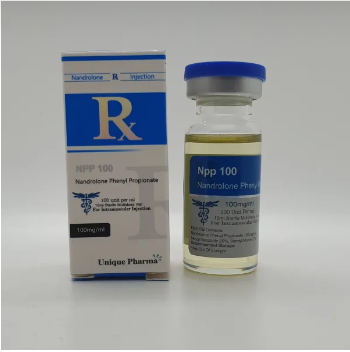
Nandrolone Phenylpropionate 100 mg: Educational Guide to Uses, Effects, and Safety in Europe
Nandrolone Phenylpropionate 100 mg is a short-acting ester of nandrolone, a synthetic anabolic-androgenic steroid (AAS) derived from testosterone. It is known for its relatively balanced anabolic effects and reduced androgenic activity compared to testosterone. In medical contexts, nandrolone compounds have been used historically in specific cases of muscle wasting and anemia, but in modern Europe, they are strictly regulated prescription substances. Nandrolone phenylpropionate
It remains widely discussed in pharmacology and sports medicine due to its long-standing history and pharmacokinetic profile.
What Is Nandrolone Phenylpropionate?
Nandrolone phenylpropionate (NPP) is an injectable anabolic steroid with a short ester chain, which allows it to act faster in the body compared to longer esters such as nandrolone decanoate.
Key characteristics include:
- Short-acting injectable anabolic steroid
- Derived from nandrolone (19-nortestosterone)
- Moderate anabolic and low androgenic activity
- Faster onset compared to long-ester nandrolone
- Oil-based intramuscular formulation
Because of its pharmacological strength, it is tightly regulated in most European countries.
Medical Background of Nandrolone
Nandrolone-based medications were originally developed for therapeutic use in conditions such as:
- Severe muscle wasting (cachexia)
- Chronic anemia (in specific cases)
- Osteoporosis-related bone loss (historical use)
- Recovery from severe illness or trauma
- Post-surgical muscle loss (limited contexts)
Over time, medical use declined due to safer and more targeted alternatives.
How Nandrolone Phenylpropionate Works
Nandrolone acts by binding to androgen receptors and influencing protein metabolism and tissue regeneration.
Its primary physiological actions include:
- Increased protein synthesis
- Enhanced nitrogen retention
- Improved collagen synthesis in connective tissue
- Reduced muscle breakdown (anti-catabolic effects)
- Mild stimulation of red blood cell production
These effects contribute to its reputation in anabolic pharmacology discussions.
Effects on Muscle and Physical Performance
In performance-related contexts, NPP is associated with:
- Gradual lean muscle development
- Improved recovery from training stress
- Increased strength over time
- Joint comfort improvement (reported in anecdotal contexts)
- Low estrogen conversion compared to testosterone
However, all effects vary depending on individual physiology and training conditions.
Common Side Effects
Despite its “milder” reputation, nandrolone phenylpropionate can still cause side effects.
Frequently reported effects include:
- Acne or oily skin
- Fluid retention
- Mood changes or irritability
- Reduced natural testosterone production
- Libido fluctuations
- Injection site discomfort
These effects are typically dose-dependent and may increase with prolonged exposure.
Serious Health Risks
More significant risks associated with nandrolone include:
- Cardiovascular strain (cholesterol imbalance, hypertension)
- Hormonal suppression of natural testosterone
- Increased prolactin-related side effects in some cases
- Liver enzyme changes (less common with injectables)
- Long-term endocrine disruption
Cardiovascular effects are among the most clinically relevant concerns.
Hormonal Suppression
Nandrolone strongly suppresses the hypothalamic-pituitary-gonadal (HPG) axis.
This may result in:
- Reduced natural testosterone production
- Decreased libido
- Fatigue and low mood
- Temporary infertility
- Hormonal imbalance after discontinuation
Recovery depends on duration and individual hormonal health.
Cardiovascular Considerations
One of the key concerns with anabolic steroids like NPP is cardiovascular impact.
Potential effects include:
- Increased LDL cholesterol (bad cholesterol)
- Decreased HDL cholesterol (good cholesterol)
- Elevated blood pressure
- Increased arterial strain
- Long-term cardiovascular risk
These risks require careful consideration in medical contexts.
Mental and Neurological Effects
Some users report psychological effects such as:
- Mood swings
- Irritability
- Reduced motivation or fatigue
- Sleep changes
These effects are thought to be linked to hormonal fluctuations and androgen receptor activity.
Legal Status in Europe
In the European Union, nandrolone phenylpropionate is:
- A prescription-only controlled substance
- Regulated under pharmaceutical laws
- Restricted to limited medical or veterinary contexts
- Illegal to sell for non-medical human use in most jurisdictions
Regulation varies by country, but non-prescribed use is widely prohibited.
Use in Sports and Anti-Doping
Nandrolone is banned by the World Anti-Doping Agency (WADA).
Athletes testing positive may face:
- Disqualification from competition
- Multi-year bans
- Loss of awards or sponsorships
- Long-term reputational damage
It is one of the most commonly screened anabolic substances in sports testing.
Why Medical Use Has Declined
Nandrolone phenylpropionate is less commonly used today because:
- Safer therapeutic alternatives exist
- Cardiovascular risks are significant
- Hormonal suppression is unavoidable
- Abuse potential is high
- Limited modern clinical necessity
Most conditions once treated with nandrolone now have better treatment options.
Safer Medical Alternatives
Depending on the condition, medical professionals may recommend:
- Nutritional rehabilitation programs
- Resistance training and physiotherapy
- Supervised hormone replacement therapy (when appropriate)
- Treatment of underlying chronic illness
- Evidence-based metabolic and endocrine therapies
These approaches provide safer and more controlled outcomes.
Risk Awareness and Harm Reduction
For individuals researching anabolic steroids, important considerations include:
- Understanding legal restrictions in your country
- Awareness of cardiovascular and hormonal risks
- Avoiding unsupervised use
- Recognizing long-term endocrine effects
- Consulting healthcare professionals when needed
Education plays a key role in reducing preventable harm.
Conclusion
Nandrolone Phenylpropionate 100 mg is a short-acting anabolic steroid with historical medical use but significant regulatory restrictions in Europe today. While it is known for its anabolic properties and effects on muscle and recovery, it also carries risks including cardiovascular strain, hormonal suppression, and endocrine disruption. In the EU, it is strictly controlled and available only through authorized medical channels. Understanding its mechanism, legal status, and safety profile is essential for responsible awareness of anabolic steroid pharmacology and health risks.
Beoordelingen
Er zijn nog geen beoordelingen.