

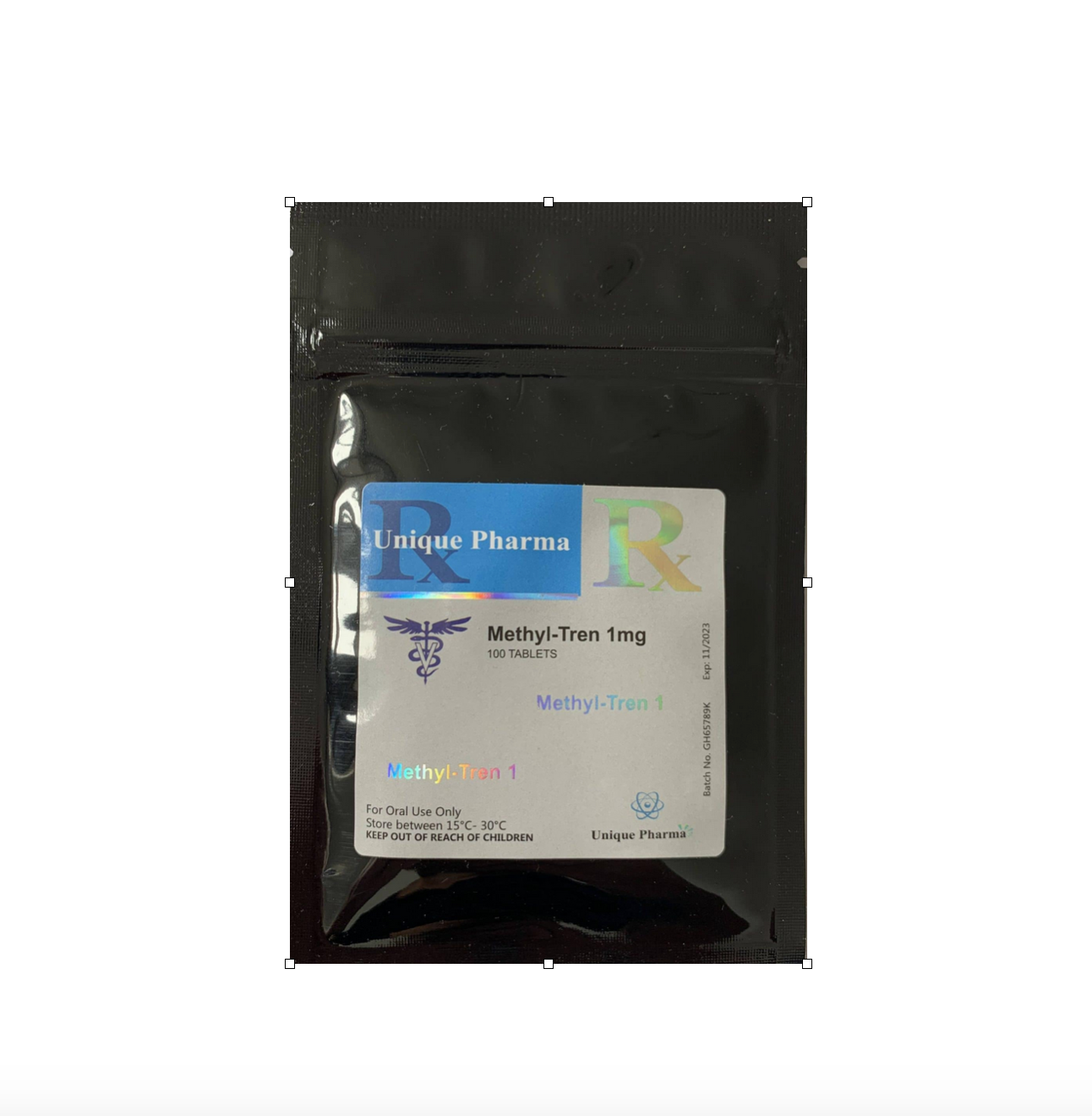
Methyltrienolone (Methyl Trenbolone): Educational Guide to One of the Most Potent Research Anabolic Steroids
Methyltrienolone, commonly referred to as methyl trenbolone, is a synthetic anabolic-androgenic steroid (AAS) known for its extremely high binding affinity to androgen receptors. Unlike many other anabolic compounds, it is considered one of the most potent oral steroids ever studied, but it is also associated with significant toxicity and safety risks, which limits any legitimate medical application. Methyltrienolone
Due to its potency, it is primarily referenced in scientific literature and experimental contexts rather than clinical medicine.
What Is Methyl Trenbolone?
Methyltrienolone is a modified derivative of trenbolone designed to be orally active. It binds strongly to androgen receptors, influencing protein synthesis and nitrogen retention in muscle tissue.
Key characteristics include:
- Extremely high androgen receptor affinity
- Oral activity due to methylation
- Very strong anabolic signaling potential
- No aromatization into estrogen
- High liver toxicity risk
Despite its strength, it was never widely approved for therapeutic use due to safety concerns.
How Methyltrienolone Works in the Body
Methyltrenbolone interacts with the endocrine system by binding to androgen receptors located in muscle, bone, and other tissues. This binding increases anabolic signaling pathways responsible for muscle growth and tissue repair.
Its effects may include:
- Increased protein synthesis
- Enhanced nitrogen retention
- Reduced catabolic (muscle breakdown) activity
- Strong androgenic signaling effects
However, these effects occur alongside significant stress on the liver and hormonal system.
Medical and Research Context
Methyltrienolone was originally studied in laboratory settings for its strong anabolic properties. However, it was never widely developed into a prescription medication due to:
- High hepatotoxicity
- Risk of severe hormonal disruption
- Lack of safe therapeutic window
- Systemic side effect profile
Today, it is primarily discussed in research pharmacology and historical steroid development studies, not clinical therapy.
Effects on Muscle and Performance Physiology
In experimental or theoretical contexts, methyl trenbolone is associated with:
- Rapid increases in protein synthesis
- Significant nitrogen retention in muscle tissue
- Enhanced strength output potential
- Strong anti-catabolic effects
- Noticeable changes in body composition
However, these effects come with a very narrow margin between activity and toxicity.
Side Effects of Methyl Trenbolone
Methyltrienolone is widely recognized as one of the most hepatotoxic anabolic steroids.
Commonly reported side effects include:
- Severe liver stress or damage
- Increased blood pressure
- Insomnia and nervous system overstimulation
- Aggression or mood instability
- Appetite suppression
- Fatigue due to systemic stress
Even short exposure can significantly impact liver enzyme levels.
Serious Health Risks
The most critical risks associated with methyl trenbolone include:
- Hepatotoxicity (liver toxicity)
- Cardiovascular strain (heart stress, lipid imbalance)
- Hormonal suppression of natural testosterone
- Potential long-term endocrine disruption
- Neurological effects including anxiety or agitation
Because of its potency, the safety margin is extremely narrow compared to other anabolic compounds.
Hormonal Suppression Effects
Like other strong anabolic steroids, methyltrienolone can suppress the hypothalamic-pituitary-gonadal (HPG) axis.
This may result in:
- Reduced natural testosterone production
- Decreased fertility
- Low libido after discontinuation
- Hormonal recovery delay
Endocrine recovery varies and may require medical supervision in cases of misuse.
Why It Is Not Medically Approved
Methyltrenbolone was never widely adopted in medicine due to:
- Extreme liver toxicity even at low doses
- Lack of safe dosing range
- Strong androgenic side effects
- Better alternative therapies available
Modern medicine prioritizes safer anabolic or hormone-based treatments when necessary.
Legal Status in Europe
In most European countries, methyltrenbolone is not approved for human medical use and may be classified under controlled substance regulations depending on national law.
General regulatory considerations include:
- No licensed medical products containing methyltrenbolone
- Restricted or prohibited distribution in many jurisdictions
- Monitoring under anti-doping regulations
It is also banned in competitive sports under WADA rules.
Methyltrenbolone in Sports and Doping Control
Methyltrienolone is prohibited by the World Anti-Doping Agency (WADA).
Its use in competitive sports may result in:
- Disqualification from events
- Long-term bans
- Loss of titles or rankings
- Reputation damage
Due to its potency, it is detectable and heavily monitored in testing programs.
Safer Alternatives in Medical Science
For legitimate medical needs involving muscle loss or hormonal imbalance, safer approaches include:
- Medically supervised testosterone therapy
- Approved anabolic agents in controlled doses
- Nutritional rehabilitation strategies
- Resistance training programs
- Treatment of underlying endocrine disorders
These options are designed with safety and monitoring in mind.
Harm Reduction and Awareness
For individuals researching potent anabolic compounds, important safety considerations include:
- Understanding legal restrictions in their country
- Awareness of liver and cardiovascular risks
- Avoiding unsupervised use of research chemicals
- Recognizing endocrine system disruption risks
- Seeking medical advice for hormone-related concerns
Education plays a key role in reducing preventable harm.
Conclusion
Methyltrienolone (methyl trenbolone) is one of the most powerful synthetic anabolic steroids ever studied, known for extreme androgen receptor activity but also severe toxicity risks, particularly to the liver and endocrine system. While it has been explored in research contexts, it has no established medical use in modern therapy due to safety limitations. In Europe and globally, it is tightly restricted and prohibited in sports. Understanding its effects, risks, and legal status is essential for responsible awareness of anabolic steroid pharmacology and health safety.


Beoordelingen
Er zijn nog geen beoordelingen.