

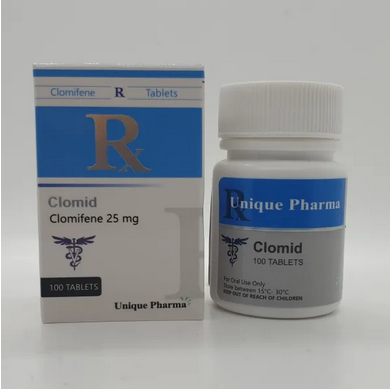
Clomid (Clomiphene) 25 mg: Educational Guide to Fertility Treatment and Hormonal Regulation in Europe
Clomid 25 mg, known scientifically as clomiphene citrate, is a prescription medication primarily used in the treatment of infertility. It belongs to a class of drugs called selective estrogen receptor modulators (SERMs), which influence hormonal signaling in the body to stimulate ovulation in women and affect testosterone production pathways in men. In the European Union, clomiphene is a strictly regulated prescription medication used under medical supervision. Clomiphene citrate
It is widely used in reproductive medicine and endocrine therapy due to its ability to regulate hormone signaling.
What Is Clomid (Clomiphene) 25 mg?
Clomiphene citrate is a non-steroidal fertility medication that works by interacting with estrogen receptors in the brain, particularly the hypothalamus.
Key characteristics include:
- Oral tablet medication
- SERM (Selective Estrogen Receptor Modulator)
- Commonly used in fertility treatment protocols
- Influences natural hormone production pathways
- Often prescribed in low doses such as 25 mg or 50 mg
It is primarily used to stimulate the body’s own hormone production rather than directly replacing hormones.
How Clomid Works in the Body
Clomiphene works by blocking estrogen receptors in the hypothalamus. This creates a signal that estrogen levels are lower than they actually are, prompting the body to increase hormone production.
This process leads to:
- Increased release of GnRH (gonadotropin-releasing hormone)
- Increased LH (luteinizing hormone) production
- Increased FSH (follicle-stimulating hormone) production
- Stimulation of ovulation in women
- Increased testosterone production in men
Because of this mechanism, Clomid is widely used in reproductive and hormonal therapies.
Medical Uses of Clomid
Clomiphene is prescribed for several medically recognized conditions, including:
- Female infertility due to ovulation disorders
- Polycystic ovary syndrome (PCOS)
- Irregular menstrual cycles
- Male hypogonadism in select cases
- Fertility support in men with low testosterone
- Assisted reproductive treatment protocols
Its use depends on careful diagnosis and hormonal evaluation.
Role in Female Fertility Treatment
In women, Clomid is commonly used to stimulate ovulation. It is often one of the first-line treatments for infertility caused by irregular or absent ovulation.
It helps by:
- Inducing regular ovulation cycles
- Increasing chances of conception
- Regulating hormonal imbalance in PCOS
- Supporting timed fertility treatments
Treatment is typically monitored using ultrasound and hormone testing.
Role in Male Hormonal Support
In men, clomiphene is sometimes used off-label under medical supervision to support natural testosterone production.
It may help:
- Stimulate endogenous testosterone production
- Improve sperm production in some cases
- Support fertility preservation
- Address secondary hypogonadism
Unlike testosterone replacement therapy, it encourages the body to produce its own hormones.
Common Side Effects
Clomiphene is generally well tolerated but may cause side effects in some patients.
Common effects include:
- Hot flashes
- Mood changes
- Headaches
- Nausea
- Visual disturbances (rare)
- Fatigue
- Breast tenderness
Most side effects are temporary and dose-related.
Serious Risks and Safety Concerns
Although uncommon, more serious risks may include:
- Ovarian hyperstimulation syndrome (in women)
- Visual changes requiring medical attention
- Hormonal imbalance if misused
- Mood or psychological changes
- Rare vascular complications
Medical monitoring helps reduce these risks significantly.
Monitoring During Treatment
Patients taking clomiphene are typically monitored through:
- Hormone blood tests (LH, FSH, testosterone, estrogen)
- Ultrasound monitoring in women
- Ovulation tracking
- Fertility assessments in men
- Regular clinical follow-ups
Monitoring ensures effectiveness and safety of therapy.
Clomid in Europe
In the European Union, clomiphene is classified as a prescription-only medicine.
European medical guidelines emphasize:
- Use under reproductive or endocrine specialist supervision
- Careful dosing based on diagnosis
- Short or structured treatment cycles
- Regular monitoring of hormonal response
It is widely used in fertility clinics across Europe as a standard treatment option.
Drug Interactions
Clomiphene may interact with:
- Hormonal therapies
- Certain fertility medications
- Liver-metabolized drugs
- Estrogen-containing treatments
Medical supervision is important to avoid hormonal imbalance or reduced effectiveness.
Who Should Avoid Clomid?
Clomiphene may not be suitable for individuals with:
- Liver disease
- Unexplained uterine bleeding (in women)
- Ovarian cysts not related to PCOS
- Hormone-sensitive tumors
- Certain vision disorders
A full medical evaluation is required before treatment.
Role in Fertility Treatment Plans
Clomid is often part of a broader fertility treatment strategy, which may include:
- Lifestyle changes and weight management
- Hormone therapy
- Ovulation tracking
- Assisted reproductive technologies (ART)
- Partner fertility evaluation
It is typically one component of a structured reproductive plan.
Lifestyle Support for Fertility
Patients undergoing treatment may be advised to:
- Maintain a balanced diet
- Manage stress levels
- Avoid smoking and excessive alcohol
- Maintain a healthy body weight
- Monitor menstrual or hormonal cycles
These factors can significantly influence fertility outcomes.
Conclusion
Clomid (clomiphene citrate) 25 mg is a widely used fertility medication that works by stimulating the body’s natural hormone production to support ovulation in women and testosterone production in men. It is an important tool in reproductive medicine across Europe but requires strict medical supervision due to its hormonal effects and potential side effects. Understanding its mechanism, clinical uses, and safety profile is essential for responsible awareness of fertility and endocrine health treatments.


Beoordelingen
Er zijn nog geen beoordelingen.