

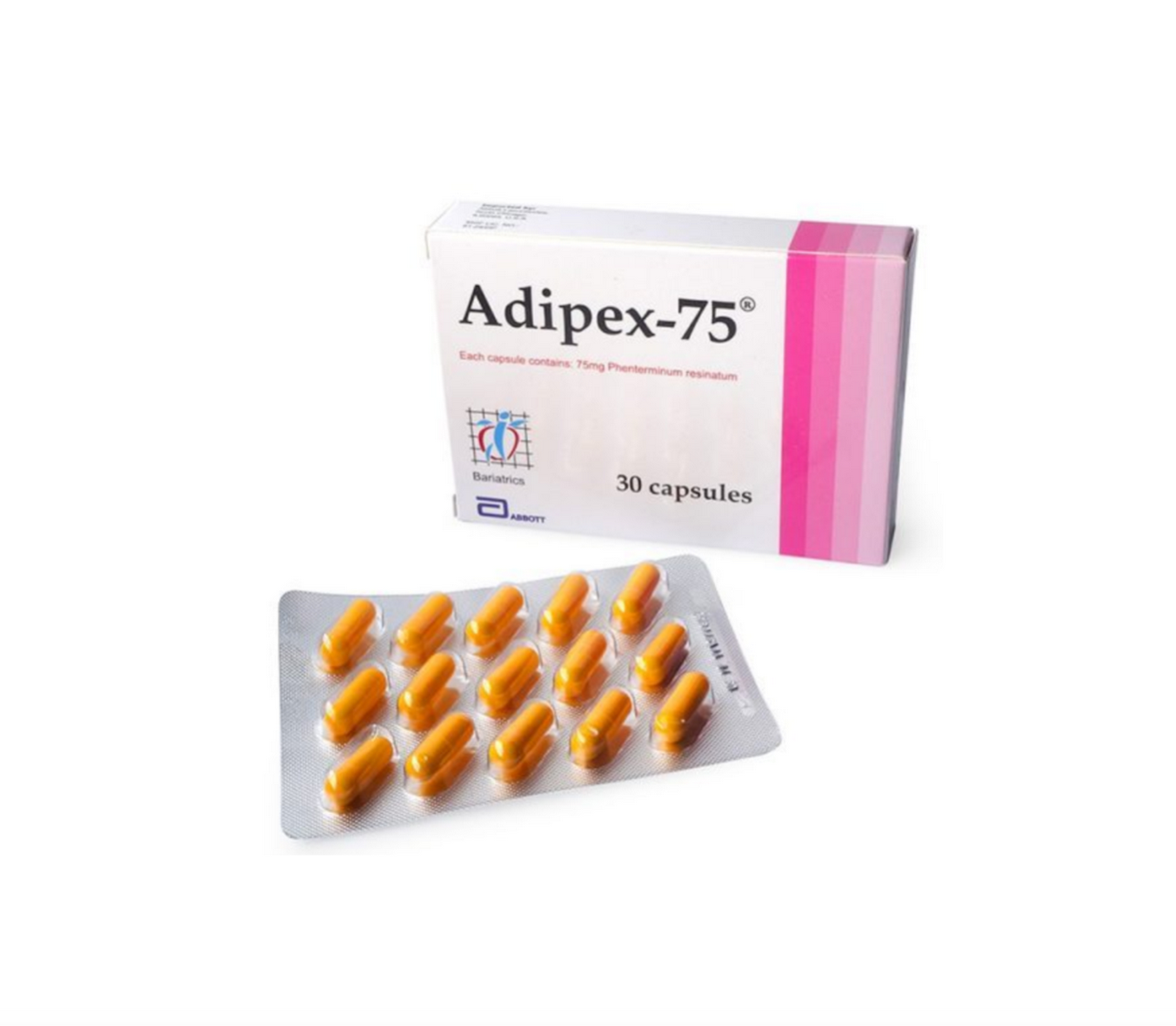
Adipex 75 mg: Educational Guide to Uses, Effects, and Safety in Europe
Adipex 75 mg is commonly associated with phentermine-based medications, which are prescription appetite suppressants used in the short-term management of obesity. Phentermine is a stimulant-like compound that affects the central nervous system to reduce hunger and support calorie restriction in medically supervised weight-loss programs. In many European countries, phentermine is strictly regulated or not approved, and where available, it is only used under specialist medical supervision. Phentermine
It is not intended as a cosmetic weight-loss solution but as part of a structured medical treatment plan.
What Is Adipex (Phentermine)?
Phentermine is a sympathomimetic amine that acts on the central nervous system to suppress appetite.
Key characteristics include:
- Prescription-only appetite suppressant
- Central nervous system stimulant properties
- Short-term weight management medication
- Typically used alongside diet and exercise
- Controlled substance in many jurisdictions
The “Adipex” name is commonly used for branded formulations containing phentermine.
How Phentermine Works in the Body
Phentermine works primarily by influencing neurotransmitters involved in appetite regulation.
Its main mechanisms include:
- Increased norepinephrine activity in the brain
- Reduced hunger signals in the hypothalamus
- Enhanced satiety perception after meals
- Mild stimulation of energy expenditure pathways
- Reduced food cravings in some patients
These effects help patients follow calorie-restricted diets more effectively.
Medical Uses of Adipex (Phentermine)
Phentermine is prescribed in specific clinical situations, including:
- Short-term treatment of obesity
- Weight management in patients with high BMI
- Support in medically supervised weight-loss programs
- Adjunct therapy alongside lifestyle modification
It is not intended for long-term use or cosmetic dieting.
Why “75 mg” Strength Is Discussed
While dosage availability varies by country and formulation, discussions around higher-dose phentermine often relate to:
- Increased appetite suppression effect
- Short-term medical weight-loss interventions
- Adjustments based on patient tolerance
- Clinical supervision requirements
In all cases, dosing is strictly individualized and medically controlled.
Effects on the Body and Mind
When used under medical supervision, phentermine may produce:
- Reduced appetite
- Increased energy levels
- Decreased food cravings
- Improved adherence to calorie restriction
- Mild stimulation or alertness
Effects are typically strongest during the first weeks of treatment.
Common Side Effects
Phentermine may cause side effects even when used correctly.
Frequently reported effects include:
- Dry mouth
- Insomnia
- Increased heart rate
- Restlessness
- Anxiety or nervousness
- Constipation
Most side effects are dose-related and may reduce over time.
Serious Risks and Safety Concerns
More serious risks associated with phentermine include:
- Cardiovascular strain (increased blood pressure, tachycardia)
- Risk of dependence with misuse
- Mood changes or irritability
- Overstimulation of the nervous system
- Potential heart-related complications in vulnerable individuals
Medical screening is essential before use.
Cardiovascular Considerations
Because phentermine is a stimulant-like compound, it may affect the cardiovascular system.
Possible effects include:
- Elevated blood pressure
- Increased heart rate
- Palpitations
- Increased cardiac workload
- Risk of complications in pre-existing heart disease
Patients with cardiovascular conditions require special caution.
Dependence and Misuse Potential
Phentermine has a known potential for misuse if not properly supervised.
Key considerations:
- Mild stimulant-related dependence risk
- Psychological reliance in some cases
- Should only be used short-term
- Not intended for recreational use
Strict prescribing guidelines help minimize risk.
Drug Interactions
Phentermine may interact with:
- Antidepressants (especially MAO inhibitors)
- Other stimulant medications
- Blood pressure medications
- Alcohol (can worsen side effects)
- Thyroid medications
Medical supervision is required to prevent adverse interactions.
Legal Status in Europe
In the European Union, phentermine is:
- Strictly regulated or not approved in many countries
- Prescription-only where permitted
- Controlled due to stimulant properties
- Not available for over-the-counter use
- Subject to national pharmaceutical laws
Availability varies significantly across Europe.
Who Should Avoid Phentermine?
Phentermine may not be suitable for individuals with:
- Heart disease or uncontrolled hypertension
- History of stroke or cardiovascular conditions
- Hyperthyroidism
- Glaucoma
- History of substance misuse
- Severe anxiety disorders
A full medical evaluation is required before treatment.
Monitoring During Treatment
Patients using phentermine are typically monitored for:
- Blood pressure and heart rate
- Weight loss progress
- Sleep patterns
- Mood or behavioral changes
- Side effects or tolerance development
Monitoring ensures safe short-term use.
Lifestyle Support for Weight Management
Phentermine is most effective when combined with lifestyle interventions such as:
- Calorie-controlled diet plans
- Regular physical activity
- Behavioral therapy for eating habits
- Hydration and nutritional balance
- Sleep regulation
Medication is only one part of a broader weight-loss strategy.
Role in Obesity Treatment
Phentermine may be used in obesity management programs where:
- Lifestyle changes alone are insufficient
- Short-term appetite suppression is needed
- Medical supervision is available
- Patients have high BMI-related health risks
It is not a standalone solution for weight loss.
Conclusion
Adipex 75 mg (phentermine-based medication) is a prescription appetite suppressant used in short-term obesity management under strict medical supervision. It works by reducing hunger signals in the brain and supporting calorie-controlled diets. In Europe, it is tightly regulated due to cardiovascular risks, stimulant effects, and misuse potential. Understanding its mechanism, medical use, and safety profile is essential for responsible awareness of weight management treatments and metabolic health care.


Beoordelingen
Er zijn nog geen beoordelingen.