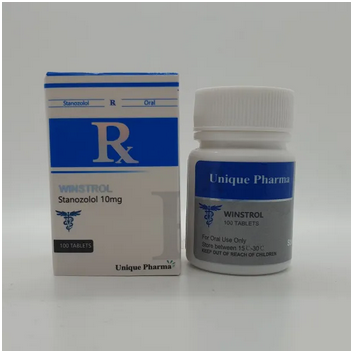
Winstrol 10 mg (Stanozolol): Educational Guide to Effects, Risks, and Safety in Europe
Winstrol 10 mg, known scientifically as stanozolol, is an anabolic-androgenic steroid (AAS) derived from dihydrotestosterone (DHT). It has been studied for medical use in certain conditions but is more widely known for its performance-enhancing effects in bodybuilding and athletics. In Europe, stanozolol is a controlled substance and is strictly regulated due to its potential for misuse and significant health risks. Stanozolol
While it has legitimate historical medical applications, its use today is highly restricted and closely monitored.
What Is Winstrol 10 mg?
Stanozolol is an oral anabolic steroid that promotes protein synthesis and tissue growth. It is often discussed in fitness contexts due to its ability to support lean muscle development without significant water retention.
The 10 mg tablet form is commonly referenced in non-medical discussions, though in clinical environments anabolic steroids are used only under strict supervision.
Key characteristics include:
- Derived from DHT (dihydrotestosterone)
- Non-aromatizing steroid (does not convert to estrogen)
- Promotes lean muscle appearance
- Oral administration (17-alpha alkylated compound)
Despite these effects, it carries serious physiological risks.
How Stanozolol Works in the Body
Winstrol works by binding to androgen receptors in muscle and bone tissue. This stimulates protein synthesis and enhances nitrogen retention, which are essential processes for muscle development.
Its main actions include:
- Increasing protein synthesis
- Enhancing red blood cell production
- Improving nitrogen balance
- Supporting muscle tissue retention during calorie deficit
However, these anabolic effects also come with suppression of natural hormone production.
Medical History and Use
Stanozolol was once prescribed for specific medical conditions, including:
- Hereditary angioedema (to reduce attack frequency)
- Severe muscle wasting conditions
- Recovery from major illness or trauma
Over time, safer treatment alternatives have reduced its medical use significantly.
Today, its primary recognition comes from non-medical and athletic performance contexts, not routine clinical therapy.
Performance-Related Effects
In non-medical discussions, Winstrol is often associated with:
- Increased lean muscle definition
- Improved strength output
- Reduced water retention
- Enhanced muscular hardness
- Improved short-term athletic performance
These effects are highly variable and depend on dosage, training, nutrition, and genetics.
However, performance benefits come with substantial health risks and legal implications in sports.
Side Effects of Winstrol
Stanozolol is associated with a wide range of side effects affecting multiple body systems.
Common side effects include:
- Joint pain and dryness
- Acne and oily skin
- Hair loss (especially in genetically predisposed individuals)
- Mood changes or irritability
- Increased blood pressure
- Suppression of natural testosterone production
Because it is an oral 17-alpha alkylated steroid, it places significant stress on the liver.
Serious Health Risks
More severe risks associated with Winstrol include:
- Liver toxicity (hepatotoxicity)
- Cardiovascular complications (heart attack, stroke risk)
- Negative cholesterol changes (lower HDL, higher LDL)
- Hormonal imbalance and endocrine disruption
- Reduced fertility and sperm production
- Psychiatric effects such as aggression or anxiety
Long-term or high-dose use increases these risks significantly.
Hormonal Suppression
One of the most important effects of stanozolol is suppression of the body’s natural testosterone production.
This can result in:
- Reduced libido
- Fatigue and low energy
- Mood changes
- Testicular shrinkage
- Difficulty maintaining muscle mass after discontinuation
Recovery of natural hormone function can vary depending on duration and dosage of use.
Winstrol in Sports and Anti-Doping Rules
Stanozolol is a prohibited substance under the regulations of the World Anti-Doping Agency (WADA).
Its use in competitive sports may result in:
- Disqualification from events
- Loss of medals or rankings
- Long-term bans from competition
- Damage to athletic reputation
It has historically been involved in several high-profile doping cases.
Legal Status in Europe
In most European countries, stanozolol is a controlled anabolic steroid. Its possession, distribution, or use without medical authorization may be illegal.
Regulations vary by country, but generally:
- Medical prescriptions are rare
- Non-medical use is prohibited
- Import and sale are heavily restricted
Users should always be aware of local laws before considering any related substances.
Safer Medical Alternatives
For legitimate medical needs involving muscle loss or hormonal imbalance, healthcare professionals may consider:
- Medically supervised hormone replacement therapy (HRT)
- Nutritional rehabilitation programs
- Physiotherapy and resistance training
- Treatment of underlying disease conditions
- Non-steroidal pharmacological options
These approaches prioritize long-term safety and recovery.
Harm Reduction and Awareness
For individuals researching anabolic steroids, important safety considerations include:
- Understanding legal restrictions in their country
- Awareness of cardiovascular and liver risks
- Recognizing psychological effects
- Avoiding unsupervised use
- Seeking medical advice for hormonal or performance concerns
Education is essential in reducing preventable harm.
Conclusion
Winstrol (stanozolol) 10 mg is an anabolic steroid known for its muscle-building and performance-enhancing properties but also associated with significant health risks. It works by increasing protein synthesis and androgen receptor activity but can severely affect the liver, cardiovascular system, and natural hormone production. In Europe, it is a controlled substance and prohibited in sports. Understanding its effects, risks, and legal status is essential for responsible awareness and informed health decisions.
Beoordelingen
Er zijn nog geen beoordelingen.