

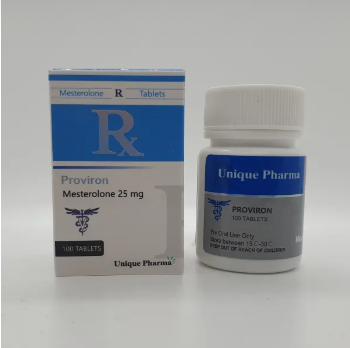
Proviron (Mesterolone) 25 mg: Educational Guide to Androgen Therapy, Uses, and Risks in Europe
Proviron 25 mg, known scientifically as mesterolone, is an androgen and anabolic steroid derivative of dihydrotestosterone (DHT). It is primarily known for its role in hormonal medicine and has also been widely discussed in bodybuilding and performance-related contexts. In Europe, mesterolone is a controlled prescription medication and is only used under medical supervision due to its hormonal effects and potential side effects. Mesterolone
While it has legitimate medical applications, its use requires careful evaluation of risks, benefits, and patient-specific hormonal conditions.
What Is Proviron (Mesterolone)?
Mesterolone is an oral androgen that does not convert into estrogen, which makes it pharmacologically different from many other anabolic steroids. It binds strongly to androgen receptors and influences the balance of sex hormones in the body.
Unlike testosterone, it is not primarily used to build muscle in medical practice but rather to support hormonal balance in specific clinical conditions.
Key characteristics include:
- DHT-derived androgen compound
- Oral administration
- Non-aromatizing (does not convert to estrogen)
- Strong binding to androgen receptors
- Mild anabolic but strong androgenic activity
Medical Uses of Proviron
In clinical medicine, Proviron has been used for:
- Male hypogonadism (low testosterone levels)
- Androgen deficiency symptoms
- Fertility-related hormonal support in selected cases
- Certain cases of libido dysfunction
- Adjunct therapy in hormone replacement protocols
Its use has declined in some countries due to newer treatment options but remains relevant in specific endocrine cases.
How Mesterolone Works in the Body
Proviron works by interacting with the endocrine system in several ways:
- Binding to androgen receptors in tissues
- Increasing free testosterone by reducing SHBG (sex hormone-binding globulin)
- Supporting androgenic activity in hormone-deficient states
- Influencing libido and sexual function
Because it affects hormone binding rather than directly increasing testosterone production, its effects are considered unique compared to other androgen therapies.
Effects on Hormonal Balance
Mesterolone can influence hormone levels by:
- Increasing free circulating testosterone
- Modifying estrogen-to-androgen balance
- Supporting libido and sexual performance in deficient individuals
- Improving androgenic signaling in tissues
However, it does not stimulate natural testosterone production and may suppress endogenous hormonal activity with prolonged use.
Potential Benefits in Clinical Context
When prescribed appropriately, Proviron may help:
- Improve symptoms of low testosterone
- Enhance libido in hypogonadal patients
- Support fertility treatment protocols in select cases
- Improve well-being in androgen-deficient conditions
- Stabilize hormonal balance in specific endocrine therapies
Its role is highly specialized and depends on individual medical evaluation.
Common Side Effects
Like all androgenic compounds, mesterolone may cause side effects.
Frequently reported effects include:
- Acne or oily skin
- Hair loss in genetically predisposed individuals
- Increased body or facial hair growth
- Mood changes or irritability
- Headache
- Increased libido (which may be excessive in some cases)
These effects vary depending on dosage and individual sensitivity.
Serious Risks and Safety Concerns
Proviron may carry more serious risks, especially with misuse or unsupervised use:
- Cardiovascular strain
- Negative changes in cholesterol levels
- Liver enzyme changes (less common than oral 17-alpha alkylated steroids)
- Hormonal imbalance with prolonged use
- Suppression of natural testosterone production
Because it affects the endocrine system, long-term safety depends on careful medical monitoring.
Hormonal Suppression and Endocrine Effects
Although Proviron is sometimes considered “mild,” it can still influence the body’s hormonal axis.
Possible effects include:
- Reduced natural testosterone production over time
- Altered luteinizing hormone (LH) signaling
- Changes in sperm production in some users
- Dependency on external androgen support
Endocrine recovery varies depending on duration of use and individual physiology.
Proviron in Bodybuilding Context
In non-medical contexts, Proviron is often discussed for its perceived effects on physique and performance, such as:
- Increased muscle hardness and definition
- Reduced water retention appearance
- Enhanced androgenic “dry” look
- Improved libido during hormonal cycles
However, these effects are not its primary medical purpose and may come with increased health risks when used outside prescription guidelines.
Legal Status in Europe
In most European countries, mesterolone is a prescription-only controlled medication.
Regulatory considerations include:
- Restricted access through licensed medical providers
- Use limited to specific hormonal conditions
- Monitoring required during treatment
- Prohibition of non-medical distribution in many regions
Laws vary across EU member states, but medical supervision is mandatory where it is permitted.
Drug Interactions
Mesterolone may interact with:
- Other hormone therapies (testosterone, anti-estrogens)
- Liver-metabolized medications
- Cholesterol-lowering drugs
- Medications affecting endocrine balance
Medical supervision is important to avoid hormonal or metabolic imbalance.
Who Should Avoid Proviron?
Proviron is generally not recommended for individuals with:
- Prostate disorders or prostate cancer risk
- Severe cardiovascular disease
- Liver dysfunction
- Hormone-sensitive conditions
- Pregnancy (in applicable contexts)
A full medical evaluation is necessary before use.
Safer Medical Alternatives
For hormone-related conditions, healthcare professionals may consider:
- Testosterone replacement therapy (TRT)
- Lifestyle-based hormone optimization
- Fertility-focused endocrine treatments
- Non-androgenic supportive therapies
- Nutritional and metabolic interventions
These approaches are tailored to individual diagnosis and monitored clinically.
Conclusion
Proviron (mesterolone) 25 mg is an androgenic medication used primarily in hormone-related medical conditions such as male hypogonadism. It works by influencing androgen receptor activity and increasing free testosterone availability. While it may provide benefits in specific clinical settings, it carries risks including hormonal imbalance, cardiovascular strain, and suppression of natural testosterone production. In Europe, it is strictly regulated and should only be used under medical supervision. Understanding its effects, limitations, and legal status is essential for responsible awareness of androgen-based therapies and endocrine health.
Beoordelingen
Er zijn nog geen beoordelingen.