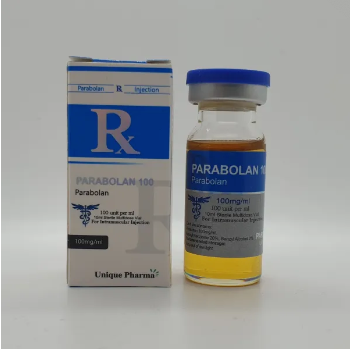
Parabolan 100 mg: Educational Guide to Trenbolone Hexahydrobenzylcarbonate, Effects, and Safety in Europe
Parabolan 100 mg refers to trenbolone hexahydrobenzylcarbonate, a long-acting ester of trenbolone. It is a powerful anabolic-androgenic steroid (AAS) that was historically used in limited medical contexts but is now primarily known in veterinary applications and performance pharmacology discussions. In the European Union, it is a strictly controlled substance with no approved human therapeutic use in modern medicine. Trenbolone hexahydrobenzylcarbonate
It is one of the most discussed compounds in anabolic steroid literature due to its potency and long duration of action.
What Is Parabolan (Trenbolone Hexahydrobenzylcarbonate)?
Parabolan is an injectable form of trenbolone with a long ester chain that slows its release into the bloodstream. This results in prolonged androgenic activity compared to shorter esters.
Key characteristics include:
- Long-acting injectable anabolic steroid
- Derived from trenbolone compound
- Slow-release ester (hexahydrobenzylcarbonate)
- High androgen receptor binding affinity
- Strong anabolic potency
Due to its strength, it is not used in standard modern human medicine.
Historical Background
Parabolan was originally developed for limited therapeutic and veterinary purposes, including:
- Muscle wasting conditions (historical research use)
- Cachexia-related experimental treatments
- Veterinary growth and conditioning applications
Over time, its safety profile and misuse potential led to discontinuation in legitimate medical use.
How Parabolan Works in the Body
Trenbolone hexahydrobenzylcarbonate binds strongly to androgen receptors and affects multiple metabolic pathways.
Its main actions include:
- Increased protein synthesis
- Strong nitrogen retention in muscle tissue
- Enhanced nutrient partitioning
- Anti-catabolic (muscle-preserving) effects
- Increased red blood cell production in some cases
Its potency is significantly higher than many other anabolic steroids discussed in pharmacology.
Effects on Muscle and Body Composition
In performance-related contexts, Parabolan is associated with:
- Rapid lean muscle development
- Increased muscular density and hardness
- Reduced body fat appearance
- Improved strength output
- Enhanced recovery capacity
However, these effects come with a high risk of systemic side effects.
Common Side Effects
Parabolan is known for a strong and often challenging side effect profile.
Frequently reported effects include:
- Insomnia and sleep disruption
- Night sweats
- Increased heart rate
- Anxiety or irritability
- Excessive sweating
- Appetite suppression
- Shortness of breath during exertion
These effects can become more pronounced with prolonged exposure.
Serious Health Risks
More severe risks associated with Parabolan include:
- Cardiovascular strain (hypertension, cholesterol imbalance)
- Strong suppression of natural testosterone production
- Increased risk of cardiac stress
- Potential kidney and metabolic strain markers
- Long-term endocrine disruption
Because of its potency, even limited exposure can significantly impact hormonal balance.
Hormonal Suppression
Parabolan strongly suppresses the hypothalamic-pituitary-gonadal (HPG) axis.
This may result in:
- Reduced natural testosterone production
- Loss of libido
- Fatigue and low mood
- Decreased fertility
- Delayed hormonal recovery after discontinuation
Recovery timelines vary depending on duration and individual physiology.
Cardiovascular Considerations
One of the most important concerns is cardiovascular impact.
Parabolan may contribute to:
- Elevated LDL cholesterol (bad cholesterol)
- Reduced HDL cholesterol (good cholesterol)
- Increased blood pressure
- Higher arterial strain
- Long-term cardiovascular risk elevation
These effects are a major reason for regulatory restrictions.
Mental and Neurological Effects
Some users report psychological effects associated with trenbolone-class compounds, including:
- Increased anxiety
- Mood swings
- Irritability or aggression
- Sleep disturbances
- Restlessness
These effects are believed to be linked to strong androgenic activity.
Legal Status in Europe
In the European Union, Parabolan (trenbolone hexahydrobenzylcarbonate) is:
- Not approved for human medical use
- Classified as a controlled substance
- Restricted to veterinary or research contexts in limited cases
- Illegal to sell for human consumption purposes in most jurisdictions
Regulation is strict due to health risks and abuse potential.
Use in Sports and Anti-Doping
Parabolan is banned by the World Anti-Doping Agency (WADA).
Athletes who test positive may face:
- Immediate disqualification
- Multi-year bans
- Loss of titles or sponsorships
- Permanent reputational damage
It is one of the most heavily screened anabolic steroids in competitive sports.
Why It Is Not Used in Medicine Today
Parabolan is no longer used in modern human medicine because:
- No approved therapeutic indication exists
- Safer alternatives are available
- High cardiovascular and endocrine risks
- Strong abuse potential
- Poor safety-to-benefit ratio in clinical settings
Modern medicine prioritizes safer, evidence-based treatments.
Safer Alternatives in Medical Contexts
Depending on clinical needs, safer approaches may include:
- Nutritional rehabilitation programs
- Resistance training and physiotherapy
- Medically supervised hormone replacement therapy (when indicated)
- Treatment of underlying chronic conditions
- Evidence-based endocrine care
These approaches provide controlled and safer outcomes.
Risk Awareness and Harm Reduction
For individuals researching anabolic steroids, important considerations include:
- Understanding legal restrictions in your country
- Awareness of cardiovascular and hormonal risks
- Avoiding unsupervised use
- Recognizing long-term endocrine effects
- Seeking professional medical advice when needed
Education is essential for reducing preventable harm.
Conclusion
Parabolan 100 mg (trenbolone hexahydrobenzylcarbonate) is a long-acting anabolic steroid known for extreme potency and significant effects on muscle and metabolic function. However, it also carries substantial risks including cardiovascular strain, hormonal suppression, and neurological side effects. In Europe, it is strictly regulated and not approved for human medical use. Understanding its mechanism, legal status, and safety concerns is essential for responsible awareness of anabolic steroid pharmacology and health safety.
Beoordelingen
Er zijn nog geen beoordelingen.