

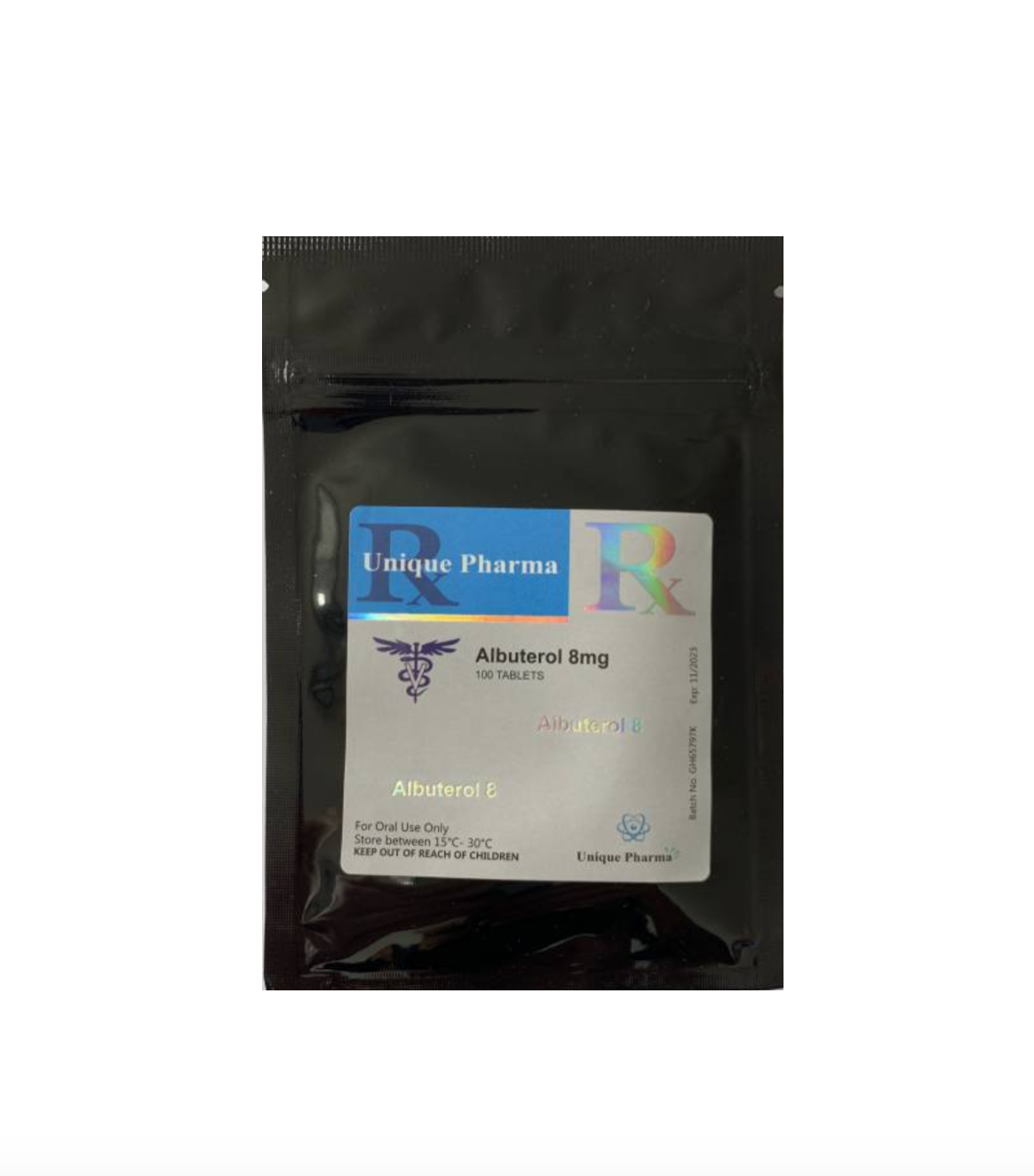
Albuterol (Salbutamol) 8 mg: Educational Guide to Bronchodilators and Asthma Management in Europe
Albuterol 8 mg, known internationally as salbutamol, is a prescription medication classified as a short-acting beta-2 agonist (SABA). It is widely used in the management of asthma, chronic obstructive pulmonary disease (COPD), and other reversible airway conditions. In the European Union, salbutamol is a strictly regulated prescription medicine used to relieve acute bronchospasm under medical supervision. Salbutamol
It is considered one of the most important rescue medications in respiratory care.
What Is Albuterol (Salbutamol) 8 mg?
Salbutamol is a bronchodilator that works by relaxing the muscles in the airways, making breathing easier during episodes of constriction.
Key characteristics include:
- Short-acting beta-2 adrenergic agonist (SABA)
- Available in inhaler, tablet, and nebulizer forms
- Rapid onset of action
- Used for relief of acute breathing difficulty
- Prescription-only medication in most EU countries
It is primarily used as a “rescue” medication during asthma attacks or sudden breathing difficulty.
How Albuterol Works in the Body
Salbutamol stimulates beta-2 receptors located in the smooth muscle of the airways. This leads to relaxation of bronchial muscles and improved airflow.
Its mechanism includes:
- Activation of beta-2 adrenergic receptors
- Relaxation of airway smooth muscle
- Widening of bronchial passages (bronchodilation)
- Improved oxygen flow into the lungs
- Rapid relief of wheezing and shortness of breath
The effects are usually felt within minutes when inhaled.
Medical Uses of Salbutamol
Albuterol is commonly prescribed for:
- Asthma relief and management
- Chronic obstructive pulmonary disease (COPD)
- Exercise-induced bronchospasm
- Acute wheezing episodes
- Reversible airway obstruction
It is widely used in emergency and outpatient respiratory care.
Importance in Asthma Management
In asthma care, salbutamol plays a critical role as a rescue medication. It helps:
- Quickly reverse airway constriction
- Relieve acute breathing symptoms
- Prevent worsening of asthma attacks
- Improve lung function during flare-ups
However, it does not treat the underlying inflammation of asthma, which requires additional medications such as inhaled corticosteroids.
Effects on the Respiratory System
Salbutamol acts directly on airway muscles to improve breathing efficiency.
Physiological effects include:
- Relaxation of bronchial smooth muscle
- Increased airflow to the lungs
- Reduced wheezing and chest tightness
- Improved exercise tolerance in some patients
Its rapid action makes it essential in emergency respiratory care.
Common Side Effects
Like all medications, salbutamol may cause side effects.
Frequently reported effects include:
- Tremors or shaking
- Increased heart rate (tachycardia)
- Nervousness or restlessness
- Headache
- Muscle cramps
- Mild throat irritation (in inhaled forms)
These effects are usually temporary and dose-dependent.
Serious Risks and Safety Concerns
In some cases, salbutamol may cause more serious effects, especially with overuse:
- Irregular heartbeat (arrhythmia)
- Chest pain
- Severe hypokalemia (low potassium levels)
- Increased blood pressure
- Paradoxical bronchospasm (rare)
Patients with heart conditions require careful monitoring.
Drug Interactions
Salbutamol may interact with:
- Beta-blockers (which can reduce its effectiveness)
- Diuretics (may increase potassium loss)
- Certain antidepressants
- Other stimulants or bronchodilators
Medical supervision is important to avoid adverse effects.
Who Should Use Caution?
Salbutamol may not be suitable or requires caution in individuals with:
- Cardiovascular disease
- Hypertension
- Hyperthyroidism
- Diabetes (may affect blood glucose levels)
- History of arrhythmias
A healthcare provider should evaluate risks before use.
Albuterol in Europe
In the European Union, salbutamol is:
- A prescription-only medication
- Widely used in respiratory medicine
- Available in inhaler and nebulizer forms
- Regulated under pharmaceutical safety guidelines
It is one of the most commonly prescribed emergency inhalers for asthma patients.
Role in Emergency Care
Salbutamol is often used in emergency settings to:
- Treat acute asthma attacks
- Manage sudden bronchospasm
- Support oxygen delivery in COPD exacerbations
- Stabilize breathing before further treatment
It is frequently administered in hospitals and emergency clinics.
Limitations of Salbutamol
While highly effective for symptom relief, salbutamol:
- Does not treat airway inflammation
- Is not a long-term asthma control medication
- Should not be overused as a sole therapy
- Requires combination with preventive treatments in chronic asthma
Proper asthma management involves both rescue and maintenance medications.
Lifestyle Support for Respiratory Health
Patients with asthma or COPD are often advised to:
- Avoid respiratory irritants (smoke, pollution)
- Maintain regular physical activity
- Follow prescribed inhaler routines
- Monitor symptoms regularly
- Get vaccinated against respiratory infections
These steps help reduce reliance on rescue medications.
Conclusion
Albuterol (salbutamol) 8 mg is a fast-acting bronchodilator widely used in the treatment of asthma and other reversible airway conditions. It works by relaxing airway muscles, providing rapid relief from breathing difficulties. In Europe, it is a strictly regulated prescription medicine and plays a key role in emergency respiratory care. Understanding its mechanism, uses, and safety considerations is essential for responsible awareness of asthma and COPD treatment options.

Beoordelingen
Er zijn nog geen beoordelingen.