

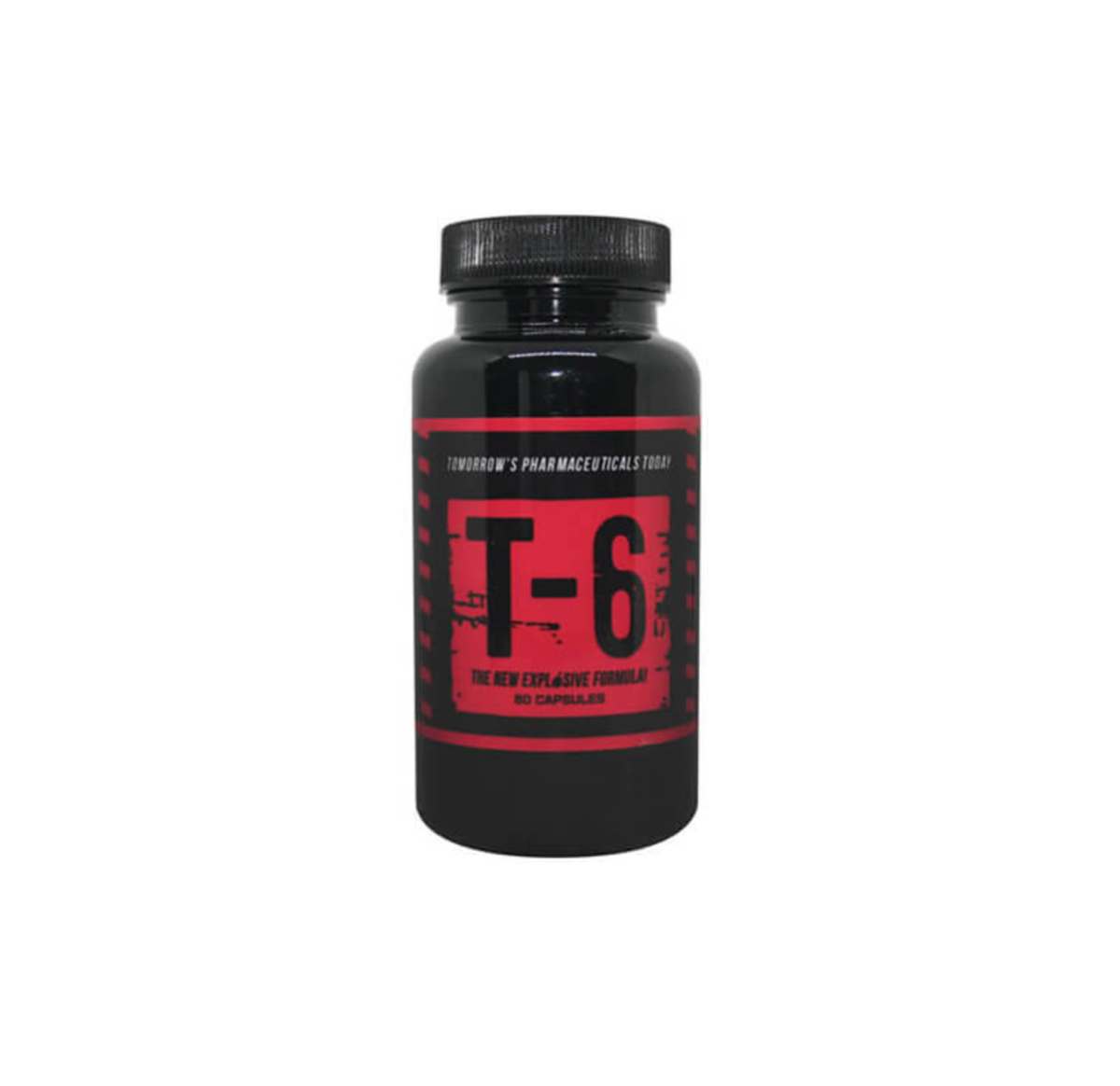
T6 Fat Burner & ECA Stack: Educational Guide to Stimulant-Based Weight Management in Europe
The T6 Fat Burner and ECA stack is a term often used in fitness and bodybuilding communities to describe stimulant-based formulations intended to support fat loss. “ECA” typically refers to a combination of ephedrine, caffeine, and aspirin, while “T6” is commonly associated with thyroid-influencing or thermogenic-style fat-burning supplements depending on the product formulation. These compounds are discussed in weight management contexts due to their potential effects on metabolism, energy expenditure, and appetite control.
In Europe, stimulant-based fat burners are subject to strict regulation due to cardiovascular and neurological risks. Ephedrine
Understanding how these compounds work, their risks, and safer alternatives is essential before considering any fat-loss strategy.
What Is the ECA Stack?
The ECA stack is a combination of three substances:
- Ephedrine – a stimulant that increases thermogenesis
- Caffeine – a central nervous system stimulant that enhances alertness
- Aspirin – sometimes included to prolong stimulant effects
This combination has historically been used in bodybuilding and weight-loss contexts to increase energy expenditure and suppress appetite.
However, modern regulatory agencies in Europe restrict or monitor ephedrine-containing products due to safety concerns.
What Is T6 Fat Burner?
“T6” is commonly used in supplement marketing to describe thermogenic fat burners that may include:
- Caffeine or caffeine derivatives
- Thyroid-supporting ingredients (non-prescription blends)
- Herbal extracts such as green tea, cayenne pepper, or yohimbine
- Metabolism-enhancing compounds
The exact formulation varies depending on the manufacturer, meaning effects and safety profiles differ significantly between products.
How Stimulant Fat Burners Work
Stimulant-based fat burners and ECA-style stacks are believed to work through several mechanisms:
- Increasing thermogenesis (heat production in the body)
- Raising basal metabolic rate
- Enhancing fat oxidation
- Reducing appetite
- Increasing energy and alertness
These effects may lead to short-term weight reduction when combined with calorie restriction and exercise.
However, the magnitude of fat loss is often modest compared to lifestyle interventions.
Potential Benefits in Weight Management Context
When used within safe and legal limits, stimulant-based supplements may:
- Increase energy levels during workouts
- Improve exercise performance
- Support short-term appetite control
- Enhance calorie expenditure
- Improve motivation for training
These effects are typically temporary and depend heavily on tolerance and dosage.
Common Side Effects
Stimulant-based fat burners may cause a range of side effects, especially in sensitive individuals.
Frequently reported effects include:
- Increased heart rate
- Restlessness or anxiety
- Insomnia
- Sweating
- Headaches
- Digestive discomfort
- Jitteriness
These effects are more likely when combining multiple stimulants.
Serious Health Risks
The most important concerns with ECA-style stacks and strong thermogenic products involve cardiovascular and neurological risks.
Potential serious risks include:
- Elevated blood pressure
- Heart rhythm disturbances
- Chest pain or palpitations
- Anxiety or panic attacks
- Risk of cardiac events in predisposed individuals
- Overstimulation of the central nervous system
These risks are the reason ephedrine-containing products are heavily regulated in many regions.
Why Regulation Is Strict in Europe
In the European Union, stimulant-based weight-loss products are carefully controlled due to historical safety concerns.
Regulatory priorities include:
- Preventing misuse of ephedrine-containing products
- Reducing cardiovascular risk in the population
- Ensuring safe labeling of dietary supplements
- Monitoring stimulant dosage limits
- Restricting unsafe combination products
Consumers should always verify whether a product complies with local EU regulations.
Who Should Avoid ECA-Type Stimulants?
Stimulant fat burners are generally not recommended for individuals with:
- Heart disease or hypertension
- Anxiety disorders or panic disorder
- Thyroid conditions
- Sleep disorders
- Pregnancy or breastfeeding
- Sensitivity to caffeine or stimulants
Medical evaluation is important before using any strong thermogenic supplement.
Tolerance and Dependency Issues
Regular use of stimulant-based fat burners may lead to:
- Tolerance (reduced effectiveness over time)
- Psychological reliance on stimulants for energy
- Sleep disruption
- Reduced natural energy regulation
Cycling and limiting stimulant exposure are commonly recommended in fitness contexts, although medical advice should always be prioritized.
Safer Alternatives for Fat Loss
For sustainable and safer weight management, healthcare professionals typically recommend:
- Calorie-controlled balanced nutrition
- Regular aerobic and resistance exercise
- Increased daily physical activity (NEAT)
- Adequate sleep and stress management
- Medical evaluation for metabolic conditions
- Evidence-based weight management programs
These approaches provide more stable and long-term results than stimulant reliance.
Role in Fitness Culture
ECA-style stacks and products like T6 fat burners are often discussed in bodybuilding communities for short-term cutting phases. However, modern sports science emphasizes that:
- Fat loss primarily depends on energy balance
- Supplements play a secondary role
- Health risks may outweigh marginal benefits
- Sustainable routines outperform stimulant use
Many athletes now prefer non-stimulant or mild stimulant alternatives.
Conclusion
The T6 fat burner and ECA stack represent stimulant-based approaches to weight management that aim to increase metabolism, energy expenditure, and fat oxidation. While they may offer short-term benefits such as increased energy and reduced appetite, they also carry significant risks, particularly for cardiovascular and nervous system health. In Europe, products containing ephedrine or similar stimulants are tightly regulated due to safety concerns. A responsible approach to fat loss focuses on diet, exercise, and sustainable lifestyle habits rather than reliance on strong stimulants.
Beoordelingen
Er zijn nog geen beoordelingen.