

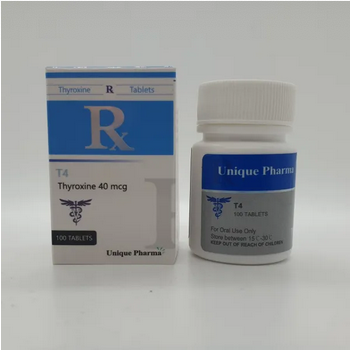
T4 (Thyroxine / Levothyroxine): Educational Guide to Thyroid Hormone Therapy in Europe
T4 (thyroxine), more commonly known in medicine as levothyroxine, is a synthetic form of the thyroid hormone thyroxine (T4) used in the treatment of thyroid hormone deficiency. It plays a central role in regulating metabolism, energy production, heart function, and overall endocrine balance. In the European Union, levothyroxine is a prescription-only medicine and is strictly regulated due to its narrow therapeutic range and significant physiological effects. Levothyroxine
T4 therapy is one of the most commonly prescribed hormone treatments worldwide, particularly for patients diagnosed with hypothyroidism.
What Is T4 (Thyroxine)?
Thyroxine (T4) is one of the two main hormones produced by the thyroid gland, the other being T3 (triiodothyronine). T4 is considered a prohormone, meaning it is converted in the body into the more active T3 form.
Its main functions include:
- Regulating basal metabolic rate (BMR)
- Controlling body temperature
- Supporting cardiovascular function
- Influencing digestion and energy use
- Supporting brain and nervous system activity
When thyroid hormone levels are too low, metabolic processes slow down significantly.
What Is Levothyroxine Used For?
Levothyroxine (T4) is prescribed for the treatment of:
- Hypothyroidism (underactive thyroid)
- Hashimoto’s thyroiditis
- Thyroid gland removal (thyroidectomy)
- Radiation-induced thyroid failure
- Congenital hypothyroidism
It is used to restore normal hormone levels and prevent complications caused by thyroid deficiency.
Proper dosing is essential because both under-treatment and over-treatment can cause health problems.
How T4 Works in the Body
Once administered, levothyroxine is absorbed in the digestive system and converted into T3 in tissues such as the liver and kidneys.
This process helps:
- Restore normal metabolic rate
- Improve energy levels
- Stabilize heart rate
- Support cognitive function
- Regulate body temperature
Because it influences nearly every organ system, even small dosing changes can have noticeable effects.
Symptoms of Thyroid Hormone Imbalance
Hypothyroidism (Low Thyroid Function)
Common symptoms include:
- Fatigue and low energy
- Weight gain
- Cold intolerance
- Dry skin and hair loss
- Depression or low mood
- Slow heart rate
- Memory difficulties
Hyperthyroidism (Excess Thyroid Hormone)
If T4 levels become too high, symptoms may include:
- Rapid heartbeat
- Anxiety and restlessness
- Insomnia
- Weight loss
- Heat intolerance
- Tremors
This is why careful medical monitoring is essential during treatment.
Importance of Correct Dosage
Levothyroxine dosing is highly individualized and depends on:
- Age and body weight
- Severity of thyroid deficiency
- Cardiovascular health
- Pregnancy status
- Other medical conditions
Doctors typically adjust dosage gradually based on blood tests measuring TSH, T4, and T3 levels.
Even small overdoses can lead to symptoms of hyperthyroidism.
How T4 Is Taken
Levothyroxine is usually taken:
- Once daily
- On an empty stomach
- At the same time each day
Absorption can be affected by:
- Food intake
- Calcium or iron supplements
- Certain medications
- Digestive disorders
Consistency is important for stable hormone levels.
Potential Side Effects
When used correctly, levothyroxine is generally well tolerated. However, side effects may occur if dosage is incorrect.
Possible side effects include:
- Palpitations
- Anxiety or nervousness
- Weight changes
- Insomnia
- Sweating
- Headaches
Most side effects are related to over-replacement of thyroid hormone.
Serious Risks and Safety Concerns
If levothyroxine is misused or improperly dosed, it can lead to:
- Cardiac arrhythmias
- Increased risk of heart strain
- Bone density loss over time
- Muscle weakness
- Hormonal imbalance
- Thyroid suppression complications
People with heart disease are especially sensitive to dosage changes.
Why T4 Is Strictly Regulated in Europe
In the European Union, levothyroxine is a prescription-only hormone medication.
It is tightly regulated because:
- It directly affects metabolic rate and heart function
- Small dose variations can cause major physiological changes
- Long-term misuse can lead to systemic complications
- Regular blood monitoring is required
Self-adjustment or non-medical use is strongly discouraged.
Role in Long-Term Thyroid Management
For patients with hypothyroidism, levothyroxine is typically a lifelong treatment. The goal is to:
- Normalize thyroid hormone levels
- Restore energy and metabolism
- Prevent complications of hormone deficiency
- Improve quality of life
Treatment success depends on regular monitoring and dose adjustments.
Lifestyle Considerations During T4 Therapy
Patients taking levothyroxine are often advised to:
- Maintain consistent daily dosing habits
- Avoid mixing with interfering supplements at the same time
- Follow a balanced diet
- Attend regular thyroid function tests
- Report symptoms of over- or under-treatment
Lifestyle stability helps improve treatment effectiveness.
T4 and Metabolism
Because thyroid hormones regulate metabolism, T4 therapy can influence:
- Energy expenditure
- Weight stability
- Body temperature regulation
- Heart rate
- Cognitive performance
However, it is not a weight-loss medication and should never be used for fat reduction purposes in healthy individuals.
Conclusion
T4 (thyroxine / levothyroxine) is a critical thyroid hormone used in the treatment of hypothyroidism and related endocrine disorders. It plays a vital role in regulating metabolism, energy production, and overall body function. In Europe, it is strictly regulated as a prescription medication due to its powerful effects and narrow safety margin. Proper medical supervision, regular blood testing, and accurate dosing are essential for safe and effective treatment. Understanding its function and risks is important for responsible awareness of thyroid health and hormone replacement therapy.


Beoordelingen
Er zijn nog geen beoordelingen.