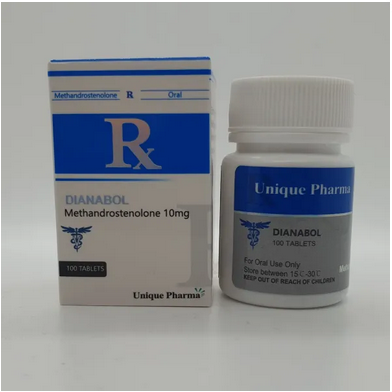
Dianabol (Methandrostenolone) 10 mg: Educational Guide to Effects, Risks, and Legal Status in Europe
Dianabol 10 mg, known scientifically as methandrostenolone, is one of the most well-known anabolic-androgenic steroids (AAS) in performance and bodybuilding history. Originally developed for medical use, it became widely associated with rapid muscle and strength gains. Today, it is not approved for general medical use in most countries and is classified as a controlled substance in much of Europe due to safety concerns. Methandrostenolone
While it remains widely discussed in fitness communities, its risks and legal restrictions are significant and must be understood clearly.
What Is Dianabol (Methandrostenolone)?
Dianabol is an oral anabolic steroid derived from testosterone. It was modified to enhance anabolic activity and improve oral bioavailability.
Key characteristics include:
- Oral anabolic-androgenic steroid
- Derived from testosterone structure
- Strong anabolic effects with moderate androgenic activity
- Rapid onset of action
- Known for significant water retention and weight gain
Because of its strong effects, it quickly became popular in strength sports before regulatory restrictions were introduced.
Medical History of Dianabol
Dianabol was originally developed in the late 1950s and was prescribed for:
- Muscle wasting conditions
- Recovery from severe illness
- Post-surgical recovery support
- General anabolic support in clinical cases
However, due to side effects and abuse potential, it was eventually withdrawn or heavily restricted in most medical systems.
Today, it has no widely accepted therapeutic use in modern medicine.
How Dianabol Works in the Body
Methandrostenolone works by binding to androgen receptors, influencing protein metabolism and muscle tissue growth.
Its main effects include:
- Increased protein synthesis
- Enhanced nitrogen retention
- Increased glycogen storage in muscles
- Rapid weight gain and strength improvements
- Increased water retention in muscle tissue
These effects contribute to its reputation for fast visible results.
Effects on Muscle and Performance
In performance contexts, Dianabol is associated with:
- Rapid increases in body weight
- Noticeable strength gains
- Improved training intensity
- Enhanced recovery between workouts
- Increased muscle fullness and size
However, many early gains are partly due to water retention rather than pure lean muscle tissue.
Common Side Effects
Dianabol is associated with a wide range of side effects, especially when misused or taken without medical supervision.
Frequently reported effects include:
- Water retention and bloating
- Acne and oily skin
- Increased blood pressure
- Headaches
- Mood swings or irritability
- Appetite changes
- Gynecomastia risk (hormonal imbalance-related)
Because it is an oral 17-alpha alkylated steroid, it can also stress the liver.
Serious Health Risks
More severe risks include:
- Liver toxicity (hepatotoxicity)
- Cardiovascular strain (increased risk of heart disease)
- Negative cholesterol changes (lower HDL, higher LDL)
- Hormonal suppression of natural testosterone
- Increased risk of long-term endocrine imbalance
These risks increase with higher doses and prolonged use.
Hormonal Suppression
Dianabol strongly suppresses the hypothalamic-pituitary-gonadal (HPG) axis.
This can lead to:
- Reduced natural testosterone production
- Decreased libido
- Fatigue and low mood after discontinuation
- Testicular atrophy
- Fertility reduction in some cases
Recovery time varies depending on duration and dosage of use.
Dianabol in Sports and Anti-Doping Rules
Methandrostenolone is banned by the World Anti-Doping Agency (WADA).
Use in sports can result in:
- Disqualification from competitions
- Suspension or lifetime bans
- Loss of medals or titles
- Damage to professional reputation
It is one of the most historically detected anabolic steroids in doping tests.
Legal Status in Europe
In most European countries, Dianabol is:
- Not approved for medical use
- Classified as a controlled substance
- Illegal to sell or distribute without authorization
- Restricted under anti-doping and pharmaceutical laws
Legal status varies by country, but non-medical use is generally prohibited.
Why Medical Use Was Discontinued
Dianabol is no longer widely used in medicine because:
- Safer alternatives exist
- High liver toxicity risk
- Cardiovascular side effects
- Uncontrolled hormonal disruption
- Better treatment options for muscle wasting conditions
Modern healthcare avoids compounds with high systemic risk profiles.
Safer Medical Alternatives
For legitimate medical needs, doctors may consider:
- Supervised hormone replacement therapy (HRT)
- Nutritional rehabilitation programs
- Physical therapy and resistance training
- Approved anabolic or metabolic therapies when appropriate
- Treatment of underlying disease conditions
These options are safer and medically monitored.
Harm Reduction and Awareness
For individuals researching anabolic steroids, important safety considerations include:
- Understanding legal restrictions in your country
- Awareness of liver and cardiovascular risks
- Recognizing hormonal disruption effects
- Avoiding unsupervised or non-medical use
- Seeking medical guidance for health concerns
Education plays a key role in reducing preventable harm.
Conclusion
Dianabol (methandrostenolone) 10 mg is a powerful anabolic steroid historically used for muscle growth and medical recovery but now heavily restricted due to safety concerns. It works by increasing protein synthesis and nitrogen retention, leading to rapid strength and weight gains. However, it also carries significant risks including liver toxicity, cardiovascular strain, and hormonal suppression. In Europe, it is strictly controlled and not approved for general medical use. Understanding its effects, risks, and legal status is essential for responsible awareness of anabolic steroid pharmacology.
Beoordelingen
Er zijn nog geen beoordelingen.