

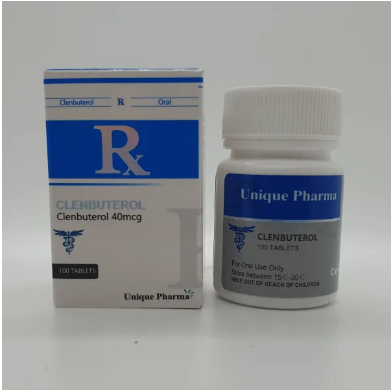
Clenbuterol (Clenbutrol 40 mcg): Educational Guide to Thermogenic Fat Loss, Effects, and Safety in Europe
Clenbuterol 40 mcg, often referred to in fitness communities as “Clenbutrol,” is commonly discussed as a thermogenic and bronchodilator-related compound associated with fat loss and performance enhancement. In medical contexts, clenbuterol is a beta-2 adrenergic agonist originally developed for respiratory conditions such as asthma in some countries, but it is not approved for human weight loss in most of Europe due to safety concerns. Clenbuterol
Because of its strong stimulant-like effects on the cardiovascular and nervous systems, it is strictly regulated or prohibited for non-medical use in many EU jurisdictions.
What Is Clenbuterol?
Clenbuterol is a sympathomimetic compound that stimulates beta-2 receptors in the body. This leads to increased metabolic activity, bronchodilation, and stimulation of the central nervous system.
Key characteristics include:
- Beta-2 adrenergic receptor agonist
- Originally developed for respiratory conditions in some regions
- Long half-life compared to many stimulants
- Strong thermogenic and stimulant properties
- Not approved for weight loss in humans in most countries
Although sometimes associated with bodybuilding culture, its medical use is limited and tightly controlled.
How Clenbuterol Works in the Body
Clenbuterol activates beta-2 receptors, which triggers a cascade of metabolic responses:
- Increased basal metabolic rate (BMR)
- Enhanced thermogenesis (heat production)
- Increased oxygen transport efficiency
- Mild bronchodilation (airway expansion)
- Stimulation of fat oxidation pathways
These effects contribute to its reputation as a “fat-burning” compound, though they also increase cardiovascular workload.
Why It Is Associated With Fat Loss
Clenbuterol is often linked to fat loss because it may:
- Increase calorie expenditure at rest
- Raise core body temperature slightly
- Promote lipolysis (fat breakdown)
- Improve energy levels during dieting phases
However, fat loss outcomes depend heavily on diet, training, and overall energy balance rather than any single compound.
Common Side Effects
Because clenbuterol is a stimulant-like compound, it can produce a wide range of side effects.
Frequently reported effects include:
- Tremors or shaking hands
- Increased heart rate (tachycardia)
- Anxiety or restlessness
- Excessive sweating
- Insomnia or sleep disruption
- Headaches
- Muscle cramps
These effects are often dose-dependent and can intensify with sensitivity to stimulants.
Serious Health Risks
Clenbuterol can place significant stress on the cardiovascular system, especially when misused.
Potential serious risks include:
- Heart palpitations
- Elevated blood pressure
- Cardiac hypertrophy risk (with prolonged misuse)
- Arrhythmias (irregular heartbeat)
- Electrolyte imbalance
- Increased risk of cardiac strain in predisposed individuals
Because of these risks, medical and regulatory authorities warn against non-medical use.
Tolerance and Cycle Effects
Users discussing clenbuterol in fitness contexts often report that its effects diminish over time due to receptor adaptation.
This may include:
- Reduced thermogenic response after repeated use
- Increased need for higher doses (risk escalation)
- Greater side effect intensity over time
- CNS overstimulation
These patterns increase health risks when not medically supervised.
Why Clenbuterol Is Restricted in Europe
In most European countries, clenbuterol is:
- Not approved for weight loss in humans
- Restricted or controlled due to safety concerns
- Prohibited in many sports organizations
- Monitored due to misuse in performance enhancement contexts
Regulatory agencies prioritize cardiovascular safety and controlled pharmaceutical use.
Clenbuterol in Sports and Anti-Doping Rules
Clenbuterol is banned by the World Anti-Doping Agency (WADA).
Its use in sports may result in:
- Disqualification from competition
- Long-term bans
- Loss of titles or sponsorships
- Positive drug test sanctions
Even trace contamination cases have led to investigations in professional sports.
Who Should Avoid Clenbuterol-Like Stimulants?
Stimulant-based thermogenic compounds are especially risky for individuals with:
- Cardiovascular disease
- High blood pressure
- Anxiety disorders
- Thyroid conditions
- Sleep disorders
- Sensitivity to stimulants
Medical guidance is strongly recommended for anyone with underlying health conditions.
Safer Alternatives for Fat Loss
Evidence-based fat loss approaches are significantly safer and more sustainable:
- Calorie-controlled balanced nutrition
- Resistance training for muscle preservation
- Regular cardiovascular exercise
- Adequate sleep and recovery
- Hydration and electrolyte balance
- Behavioral and lifestyle coaching
These strategies provide consistent long-term results without cardiovascular risk.
Role in Fitness Culture
Clenbuterol is frequently discussed in bodybuilding communities due to its perceived ability to enhance fat loss and maintain lean appearance during cutting phases. However, modern sports science emphasizes:
- Sustainable fat loss strategies
- Minimizing cardiovascular stress
- Avoiding unregulated stimulant use
- Prioritizing long-term health over short-term aesthetics
Many athletes now rely on safer nutrition and training-based approaches instead.
Conclusion
Clenbuterol (often referred to as “Clenbutrol 40 mcg”) is a powerful beta-2 agonist associated with thermogenic and stimulant effects. While it is widely discussed in fitness circles for fat loss, it is not approved for such use in humans in most of Europe and carries significant cardiovascular and neurological risks. Regulatory bodies restrict its use due to safety concerns, and it is banned in professional sports. Understanding its effects, risks, and legal status is essential for responsible awareness and safer fitness decision-making.
Beoordelingen
Er zijn nog geen beoordelingen.