

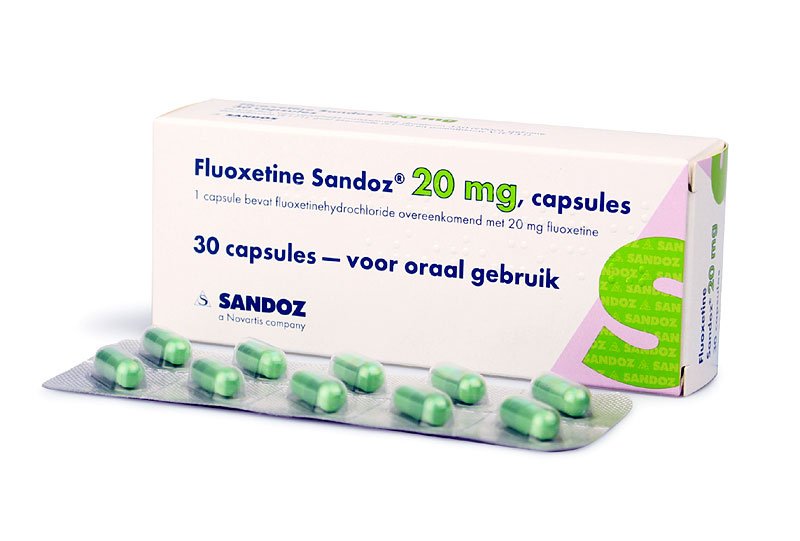
Fluoxetine (Prozac) 10 mg: Educational Guide to Uses, Effects, and Safety in Europe
Fluoxetine 10 mg, commonly known by the brand name Prozac, is a prescription antidepressant belonging to the selective serotonin reuptake inhibitor (SSRI) class. It is widely used in the treatment of depression and several anxiety-related disorders. In the European Union, fluoxetine is a strictly prescription-only medication regulated under national pharmaceutical laws and available only under medical supervision. Fluoxetine
It is one of the most extensively studied antidepressants in modern psychiatry.
What Is Fluoxetine (Prozac)?
Fluoxetine is an SSRI antidepressant that works by increasing serotonin levels in the brain. Serotonin is a neurotransmitter associated with mood regulation, emotional stability, and anxiety control.
Key characteristics include:
- SSRI class antidepressant
- Long half-life compared to other SSRIs
- Oral capsule or tablet formulation
- Prescription-only psychiatric medication
- Used in long-term mental health treatment
The 10 mg dose is often used as a starting dose or for patients requiring lower-intensity treatment.
How Fluoxetine Works in the Brain
Fluoxetine works by blocking the reuptake of serotonin in the brain, increasing its availability in synaptic spaces.
Its main mechanisms include:
- Inhibition of serotonin reuptake transporters (SERT)
- Increased serotonin signaling
- Improved mood regulation pathways
- Reduction in anxiety and obsessive thoughts over time
- Stabilization of emotional responses
Unlike sedatives, fluoxetine works gradually and builds effect over several weeks.
Medical Uses of Fluoxetine
Fluoxetine is prescribed for several mental health conditions, including:
- Major depressive disorder (MDD)
- Generalized anxiety disorder (in some cases)
- Obsessive-compulsive disorder (OCD)
- Panic disorder
- Bulimia nervosa
- Premenstrual dysphoric disorder (PMDD)
It is used as part of a structured psychiatric treatment plan.
Why the 10 mg Dose Is Used
The 10 mg dosage is commonly used because it:
- Helps patients adjust to SSRI treatment
- Reduces the likelihood of early side effects
- Is suitable for sensitive patients or older adults
- Can be part of gradual dose titration
- Provides mild therapeutic support in early treatment
Doctors may later increase the dose depending on response.
Effects on the Body and Mind
When used as prescribed, fluoxetine may produce:
- Improved mood and emotional stability
- Reduced anxiety symptoms
- Decreased obsessive or intrusive thoughts
- Increased motivation and energy over time
- Better daily functioning in depressive disorders
Effects typically develop gradually over 2–6 weeks.
Common Side Effects
Fluoxetine may cause side effects, especially in early treatment stages.
Frequently reported effects include:
- Nausea
- Headache
- Insomnia or sleep disturbance
- Nervousness or restlessness
- Loss of appetite
- Dry mouth
Many side effects improve as the body adjusts.
Serious Risks and Safety Concerns
More serious but less common risks include:
- Increased anxiety or agitation in early treatment
- Suicidal thoughts in young patients (boxed warning in some regions)
- Serotonin syndrome (rare but serious)
- Sexual dysfunction
- Hyponatremia (low sodium levels, especially in elderly patients)
Medical monitoring is important during treatment initiation.
How Long Fluoxetine Takes to Work
Fluoxetine does not act immediately.
Typical timeline:
- 1–2 weeks: early side effects may appear
- 2–4 weeks: initial mood improvements
- 4–6 weeks: full therapeutic effect in many patients
- Longer in complex psychiatric conditions
Consistency is important for effectiveness.
Drug Interactions
Fluoxetine may interact with:
- MAO inhibitors (dangerous serotonin syndrome risk)
- Other antidepressants
- Blood thinners (e.g., warfarin)
- Certain pain medications (including tramadol)
- Stimulants or serotonergic drugs
Drug interaction screening is essential before use.
Legal Status in Europe
In the European Union, fluoxetine is:
- A prescription-only antidepressant
- Regulated under national pharmaceutical laws
- Dispensed only through licensed pharmacies
- Approved for multiple psychiatric conditions
It is widely available but strictly controlled through medical prescription systems.
Who Should Use Caution?
Fluoxetine may not be suitable for individuals with:
- Bipolar disorder without mood stabilizers
- History of severe allergic reactions to SSRIs
- Severe liver impairment
- Uncontrolled epilepsy
- Concurrent MAOI use
A psychiatric evaluation is required before starting treatment.
Monitoring During Treatment
Patients taking fluoxetine are typically monitored for:
- Mood changes and symptom improvement
- Side effects and tolerance
- Sleep and appetite changes
- Anxiety or agitation levels
- Suicidal ideation in early treatment stages
Follow-up care is essential for safe use.
Fluoxetine in Modern Psychiatry
Fluoxetine remains one of the most widely used antidepressants due to:
- Long clinical history
- Well-studied safety profile
- Effectiveness across multiple disorders
- Once-daily dosing convenience
- Suitability for long-term therapy
It is often part of combined treatment with psychotherapy.
Lifestyle Support During Treatment
Fluoxetine is most effective when combined with healthy habits such as:
- Regular physical activity
- Balanced nutrition
- Consistent sleep schedule
- Stress management techniques
- Cognitive behavioral therapy (CBT)
Medication and lifestyle work best together.
Conclusion
Fluoxetine (Prozac) 10 mg is a widely used SSRI antidepressant prescribed for depression, anxiety disorders, OCD, and related conditions. It works by increasing serotonin levels in the brain, helping improve mood and emotional balance over time. In Europe, it is strictly regulated and available only by prescription. Understanding its mechanism, therapeutic uses, and safety profile is essential for responsible awareness of mental health treatment and psychiatric care options.

Beoordelingen
Er zijn nog geen beoordelingen.