

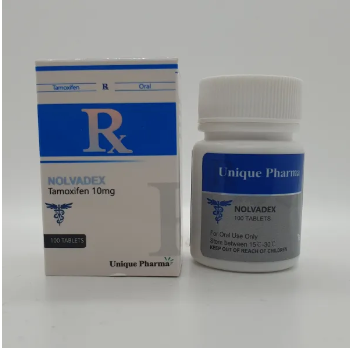
Nolvadex (Tamoxifen) 10 mg: Educational Guide to Uses, Mechanism, and Safety in Europe
Nolvadex 10 mg, known scientifically as tamoxifen citrate, is a selective estrogen receptor modulator (SERM) widely used in medicine, particularly in the treatment and prevention of hormone receptor-positive breast cancer. It plays an important role in oncology and endocrine therapy by blocking or modifying estrogen activity in specific tissues. In the European Union, tamoxifen is a prescription-only medication and is used under strict medical supervision due to its powerful hormonal effects. Tamoxifen
It is considered a cornerstone medication in hormone-dependent breast cancer management and long-term recurrence prevention.
What Is Nolvadex (Tamoxifen) 10 mg?
Tamoxifen belongs to the SERM class, meaning it acts as both an estrogen blocker and estrogen activator depending on the tissue type.
Key characteristics include:
- Blocks estrogen receptors in breast tissue
- Acts as a partial estrogen agonist in other tissues (such as bone and uterus)
- Used in long-term hormonal therapy protocols
- Available in tablet form, commonly 10 mg or 20 mg strengths
Because of its selective mechanism, tamoxifen has a unique profile compared to other hormone therapies.
How Tamoxifen Works in the Body
Tamoxifen works by binding to estrogen receptors, preventing estrogen from stimulating certain tissues, particularly breast cancer cells that rely on estrogen to grow.
Its main mechanisms include:
- Blocking estrogen activity in breast tissue
- Reducing cancer cell growth stimulation
- Modulating hormonal signaling pathways
- Helping reduce risk of cancer recurrence
In some tissues, it may mimic mild estrogen activity, which contributes to both therapeutic effects and side effects.
Medical Uses of Tamoxifen
Tamoxifen is primarily prescribed for:
- Hormone receptor-positive breast cancer treatment
- Breast cancer recurrence prevention
- Risk reduction in high-risk patients
- Adjuvant therapy after surgery or radiation
- Occasionally in endocrine-related conditions under specialist care
It is typically part of a long-term treatment plan that may last several years.
Importance in Breast Cancer Therapy
Estrogen can promote the growth of certain breast cancer cells. Tamoxifen helps by blocking this hormonal stimulation, thereby:
- Slowing or stopping tumor growth
- Reducing recurrence risk
- Improving long-term survival outcomes
- Supporting post-treatment management
It is often used in both premenopausal and postmenopausal patients depending on clinical guidelines.
Effects on Hormonal Balance
Because tamoxifen interacts with estrogen receptors, it influences hormone signaling throughout the body.
Possible effects include:
- Altered estrogen activity in different tissues
- Changes in menstrual cycle in premenopausal women
- Impact on bone density regulation
- Modulation of lipid metabolism
These effects are closely monitored in clinical practice.
Common Side Effects
Like all hormonal therapies, tamoxifen may cause side effects.
Frequently reported effects include:
- Hot flashes
- Fatigue
- Nausea
- Mood changes
- Leg cramps
- Menstrual irregularities
- Mild weight changes
Many side effects are manageable and may decrease over time.
Serious Risks and Safety Considerations
Tamoxifen is generally well-studied, but it does carry some serious risks, especially with long-term use:
- Increased risk of blood clots (deep vein thrombosis, pulmonary embolism)
- Endometrial changes in postmenopausal women
- Vision disturbances in rare cases
- Liver enzyme changes
- Hormonal imbalance-related effects
Patients on tamoxifen require regular medical monitoring.
Monitoring During Treatment
Because of its long-term use in cancer therapy, patients are typically monitored through:
- Regular clinical check-ups
- Blood tests for liver function
- Gynecological evaluation (in women)
- Imaging and cancer marker assessments when needed
Monitoring ensures safety and treatment effectiveness.
Tamoxifen in Europe
In the European Union, tamoxifen is classified as a prescription-only medicine used primarily in oncology settings.
European clinical guidelines emphasize:
- Use in hormone receptor-positive breast cancer
- Long-term therapy under specialist supervision
- Risk-benefit evaluation before initiation
- Regular follow-up and monitoring
It is widely used across EU healthcare systems as a standard treatment option.
Drug Interactions
Tamoxifen may interact with:
- Certain antidepressants (CYP2D6 inhibitors)
- Anticoagulants
- Other hormone therapies
- Some chemotherapy agents
Drug interactions can affect how well tamoxifen works, so medical oversight is essential.
Who Should Avoid or Use Caution
Tamoxifen may not be suitable for individuals with:
- History of blood clotting disorders
- Severe liver disease
- Uncontrolled cardiovascular conditions
- Hypersensitivity to tamoxifen
Special caution is required during pregnancy and breastfeeding.
Role in Long-Term Treatment Plans
Tamoxifen is often used as part of a multi-step cancer treatment strategy that may include:
- Surgery
- Radiation therapy
- Chemotherapy (in some cases)
- Extended hormone therapy
Treatment duration may range from 5 to 10 years depending on risk factors and medical guidance.
Safer Use Principles
Patients prescribed tamoxifen are generally advised to:
- Take medication exactly as prescribed
- Attend all follow-up appointments
- Report symptoms such as swelling or unusual bleeding
- Maintain a healthy lifestyle
- Avoid self-adjusting dosage
These steps help maximize benefits and reduce risks.
Conclusion
Nolvadex (tamoxifen) 10 mg is an important selective estrogen receptor modulator widely used in the treatment and prevention of hormone receptor-positive breast cancer. It works by blocking estrogen activity in breast tissue while modulating hormonal balance in other parts of the body. In Europe, it is a strictly regulated prescription medication requiring medical supervision due to risks such as blood clots and hormonal side effects. Understanding its mechanism, clinical uses, and safety profile is essential for responsible awareness of hormone-based cancer therapies.




Beoordelingen
Er zijn nog geen beoordelingen.