

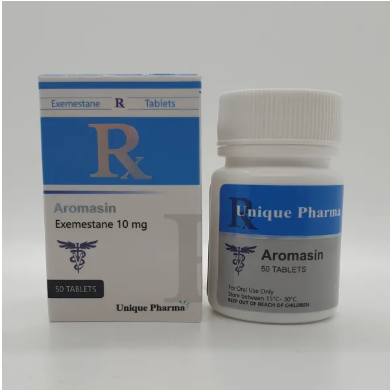
Aromasin (Exemestane) 10 mg: Educational Guide to Aromatase Inhibitors in Breast Cancer Therapy
Aromasin 10 mg, known scientifically as exemestane, is a prescription medication belonging to the class of aromatase inhibitors. It is primarily used in the treatment of hormone receptor-positive breast cancer, especially in postmenopausal women. By reducing estrogen production in the body, it helps slow or stop the growth of estrogen-dependent cancer cells. In the European Union, exemestane is a strictly regulated prescription medicine used under oncologist supervision. Exemestane
It plays an important role in modern endocrine therapy and long-term cancer management strategies.
What Is Aromasin (Exemestane) 10 mg?
Exemestane is a steroidal aromatase inhibitor that works by permanently blocking the aromatase enzyme, which is responsible for converting androgens into estrogen.
Key characteristics include:
- Oral tablet medication
- Irreversible aromatase inhibitor (steroidal type)
- Used mainly in postmenopausal breast cancer patients
- Reduces estrogen production in peripheral tissues
- Supports long-term hormone-sensitive cancer control
Because estrogen can stimulate certain cancer cells, lowering its levels is a key therapeutic strategy.
How Exemestane Works in the Body
Exemestane binds to the aromatase enzyme and permanently inactivates it. This leads to a reduction in estrogen synthesis.
Its mechanism includes:
- Blocking conversion of androgens into estrogen
- Reducing circulating estrogen levels significantly
- Decreasing hormonal stimulation of cancer cells
- Supporting suppression of estrogen-dependent tumor growth
Unlike non-steroidal aromatase inhibitors, exemestane irreversibly binds to the enzyme, providing sustained suppression.
Medical Uses of Aromasin
Aromasin is primarily prescribed for:
- Hormone receptor-positive breast cancer
- Adjuvant therapy after surgery
- Extended breast cancer treatment to reduce recurrence risk
- Advanced or metastatic breast cancer
- Sequential therapy after tamoxifen treatment
It is typically used in postmenopausal women as part of a long-term treatment plan.
Role in Breast Cancer Therapy
Estrogen plays a major role in the growth of certain breast cancers. Aromasin helps by:
- Lowering estrogen levels in the body
- Reducing tumor growth stimulation
- Decreasing risk of cancer recurrence
- Supporting long-term remission strategies
It is often part of a multi-year endocrine therapy protocol.
Effects on Hormonal Balance
Because exemestane significantly reduces estrogen levels, it can affect multiple systems in the body:
- Bone metabolism and density
- Lipid profile (cholesterol levels)
- Joint and muscle function
- Hormonal equilibrium in postmenopausal patients
These effects are closely monitored during treatment.
Common Side Effects
Like all hormone therapies, Aromasin may cause side effects.
Frequently reported effects include:
- Hot flashes
- Fatigue
- Joint pain or stiffness
- Headaches
- Increased sweating
- Nausea
- Mild dizziness
Many side effects are manageable and may improve with continued use.
Serious Risks and Safety Concerns
Long-term use of exemestane may be associated with more serious risks:
- Reduced bone mineral density (osteoporosis risk)
- Increased fracture risk
- Elevated cholesterol levels
- Cardiovascular risk in predisposed patients
- Persistent musculoskeletal pain
For this reason, ongoing monitoring is essential during treatment.
Monitoring During Treatment
Patients taking Aromasin are typically monitored through:
- Bone density scans (DEXA)
- Blood lipid panels
- Regular oncology follow-ups
- Liver function assessments when needed
- Hormonal evaluations in select cases
Monitoring ensures both effectiveness and safety over long-term therapy.
Aromasin in Europe
In the European Union, exemestane is:
- A prescription-only oncology medication
- Used under strict clinical guidelines
- Dispensed through licensed pharmacies
- Monitored by oncology specialists
It is widely used across Europe as part of standard breast cancer endocrine therapy protocols.
Drug Interactions
Exemestane may interact with:
- Estrogen-containing medications
- Hormone replacement therapy
- Certain chemotherapy drugs
- Strong enzyme-inducing medications
Medical supervision is required to ensure treatment effectiveness.
Who Should Avoid Aromasin?
Aromasin may not be suitable for:
- Premenopausal women (without ovarian suppression)
- Patients with severe osteoporosis
- Individuals with significant liver impairment
- Those with hypersensitivity to aromatase inhibitors
Proper diagnosis is essential before starting therapy.
Role in Long-Term Cancer Treatment Plans
Aromasin is often part of a broader oncology strategy that may include:
- Surgery
- Chemotherapy (when required)
- Radiation therapy
- Sequential hormone therapy (e.g., tamoxifen followed by aromatase inhibitors)
- Long-term follow-up care
Treatment duration may extend over several years depending on recurrence risk.
Lifestyle Support During Therapy
Patients undergoing Aromasin therapy are often advised to:
- Maintain calcium and vitamin D intake
- Engage in regular weight-bearing exercise
- Follow a balanced diet
- Avoid smoking and excessive alcohol
- Monitor bone health regularly
These measures help reduce side effects and improve long-term outcomes.
Conclusion
Aromasin (exemestane) 10 mg is a powerful aromatase inhibitor used in the treatment of hormone receptor-positive breast cancer, particularly in postmenopausal women. It works by reducing estrogen production, helping to slow or prevent cancer progression. In the European Union, it is strictly regulated and used under specialist supervision due to its effects on bone health and hormonal balance. Understanding its mechanism, benefits, risks, and clinical role is essential for responsible awareness of modern breast cancer endocrine therapies.
Beoordelingen
Er zijn nog geen beoordelingen.